How to Avoid Plant Pest Infestations: Ultimate Biosecurity Guide
Botanical cultivation across controlled indoor environments, residential gardens, and commercial agricultural facilities faces a constant biological challenge from herbivorous insects, mites, and parasitic nematodes. Furthermore, global plant trade and increasingly warm urban microclimates accelerate the spread of invasive arthropods that rapidly overwhelm isolated botanical collections. Within this operational environment, safeguarding flora requires transitioning from reactive chemical rescue treatments to proactive, systemic prevention protocols. However, maintaining pristine plant health requires looking beyond standard pesticide applications to analyze environmental stress factors, vector migration patterns, and host plant resistance mechanisms.
Successfully protecting botanical assets demands an analytical approach that balances physical exclusion against biological equilibrium. Unlike sterile indoor spaces, living plant ecosystems host diverse micro-organisms and insect populations where total eradication is neither feasible nor ecologically desirable. Therefore, mastering how to avoid plant pest infestations involves more than spraying generic insecticides upon discovering damage; it requires a comprehensive study of quarantine protocols, ambient humidity management, nutritional tissue balance, and beneficial predator establishment.
This authoritative reference manual delivers an exhaustive analysis of phytosanitary defense strategies tailored for residential plant collectors, greenhouse operators, and urban horticulturists. The following sections examine entomological mechanisms, environmental predisposing factors, economic lifecycles, and risk management frameworks. Through meticulous exploration, this resource establishes a definitive benchmark for informed decision-making in preventive plant health management.
Understanding “how to avoid plant pest infestations”
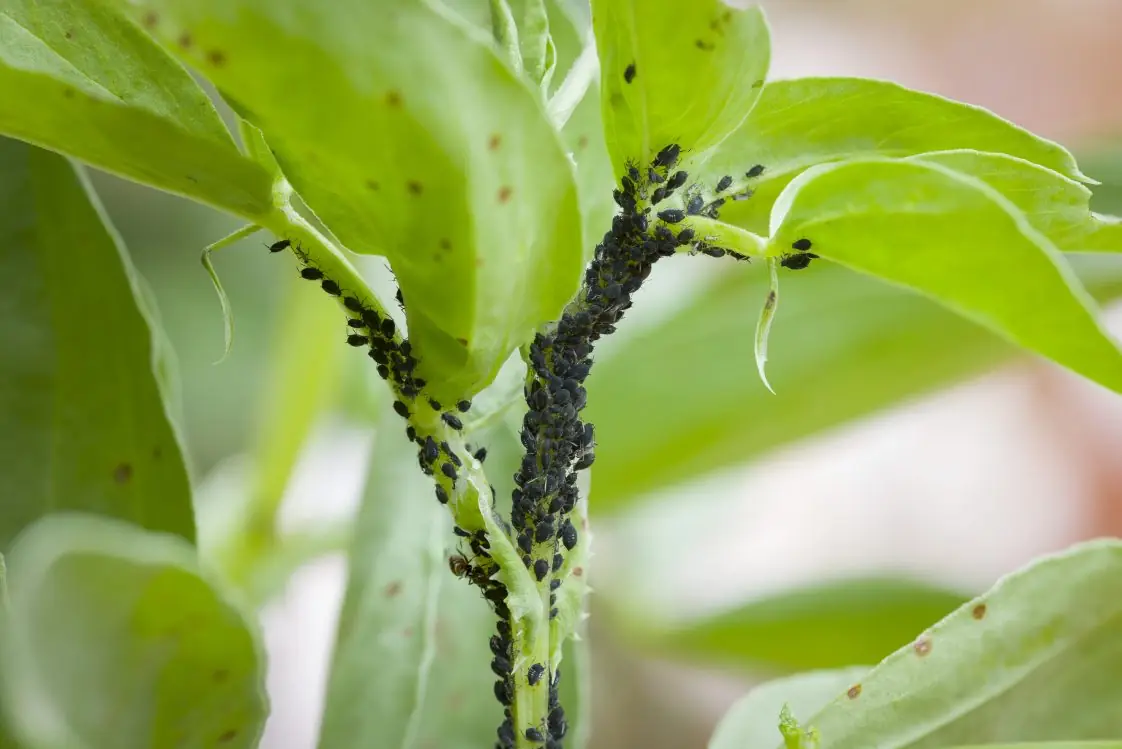
The process to master how to avoid plant pest infestations involves navigating a complex intersection of entomology, plant physiology, and indoor climate control rather than simply reacting to visible leaf damage. Gardeners and facility managers frequently fall into the trap of assuming that purchasing expensive chemical sprays guarantees absolute protection, ignoring the reality that stressed, over-fertilized plants actively emit volatile chemical cues that attract sap-sucking insects. In professional practice, true pest prevention stems from maintaining vigorous plant cell walls through balanced nutrition and environmental stability.
Common misunderstandings often focus on the belief that indoor environments are naturally sterile havens shielded from outdoor insect pressures. This oversimplification ignores how pests enter via uninspected new plant acquisitions, clinging clothing, open windows, or even fresh cut flowers. Another frequent misstep is relying exclusively on broad-spectrum synthetic insecticides, which frequently destroy beneficial predatory insect populations while allowing resistant pest strains to rebound with explosive population growth.
To evaluate preventive health protocols accurately, planners must examine environmental and biological variables in tandem. Implementing strict quarantine and isolation protocols for newly acquired botanical specimens provides a crucial biological firewall, but it requires dedicated physical space and patience. Conversely, preventative horticultural oil applications offer immediate suppression of dormant scale and mite eggs, but they require precise temperature management to avoid foliage burn. Systematic comparison clarifies these operational trade-offs, ensuring that any chosen defense strategy maximizes long-term plant protection.
Deep Contextual Background and Evolution
The historical understanding of agricultural and horticultural pest management has evolved from primitive folk remedies and caustic mineral washes to sophisticated integrated pest management (IPM) frameworks. Early cultivators relied on basic deterrents such as wood ash, sulfur dust, and companion planting to discourage destructive insects, though crop losses remained frequent during favorable weather cycles for pests.
The contemporary scientific paradigm of pest prevention emerged during the twentieth century with the synthesis of broad-spectrum synthetic neurotoxic insecticides, followed quickly by the ecological realization of pest resistance and environmental bioaccumulation. Pioneering entomologists demonstrated that heavy chemical reliance often triggered secondary pest outbreaks by decimating natural predators. Translating these ecological discoveries into modern horticulture required shifting from aggressive eradication to holistic ecosystem management, biological controls, and physical exclusion barriers.
Simultaneously, the modern indoor houseplant boom and commercial greenhouse industry accelerated the development of specialized quarantine regimens, sticky insect traps, and systemic horticultural soaps. Today, protocols developed when growers learn how to avoid plant pest infestations function as sophisticated integrated defense systems that safeguard plant collections across diverse environments.
Conceptual Frameworks and Mental Models
Navigating the complexities of phytosanitary defense requires structured mental models that organize entomological, physiological, and environmental variables.
1. The Host-Vector-Environment Triangle
Pest outbreaks require a susceptible host plant, an active insect vector, and an encouraging microclimate. This model evaluates how adjusting ambient humidity or light levels can break the disease triangle and halt insect reproduction cycles.
2. The Plant Cell Wall Integrity and Turgor Model
Sucking insects target plants with soft, succulent cell walls driven by excess nitrogen. This model governs nutrient balance and watering frequency to ensure tough, resilient epidermal layers that deter piercing-sucking mouthparts.
3. The Biosecurity Firewall and Quarantine Axis
Inbound plant material represents the primary vector for introducing hidden pests. This model establishes strict physical separation, washing, and observation protocols before new specimens integrate into established collections.
Key Categories, Variations, and Structural Trade-Offs
Effective preventive strategies encompass several distinct technical approaches, each defined by specific intervention mechanisms and operational trade-offs.
1. Strict Biosecurity Quarantine and Isolation
Establishing a dedicated, isolated holding area for all newly acquired plant specimens for a minimum observation period of three to four weeks.
-
Advantages: Prevents external pests from entering established collections; allows targeted treatment before exposure occurs.
-
Disadvantages: Requires additional physical space; demands disciplined daily monitoring during busy periods.
2. Mechanical Exclusion and Physical Barriers
Utilizing fine insect mesh netting, positive-pressure greenhouse airlocks, and sealed indoor growing tents.
-
Advantages: Chemically inert defense; physically blocks flying and crawling insects from reaching host plants.
-
Disadvantages: Can restrict ambient air circulation; requires meticulous maintenance of seals and zippers.
3. Preventative Horticultural Oils and Insecticidal Soaps
Applying refined mineral oils or potassium salts of fatty acids at low maintenance concentrations to coat and suffocate microscopic eggs.
-
Advantages: Nontoxic to mammals; highly effective against soft-bodied insects like spider mites and aphids.
-
Disadvantages: Can cause leaf scorching if applied under direct high-intensity light or high temperatures.
4. Beneficial Insect Inoculation and Biological Control
Releasing predatory mites, parasitic wasps, or lady beetles into closed growing areas to maintain low-level predator-prey balance.
-
Advantages: Completely self-sustaining biological suppression; eliminates chemical pesticide resistance risks.
-
Disadvantages: Requires living prey populations to survive; sensitive to chemical pesticide residues.
5. Environmental Microclimate Optimization
Regulating ambient relative humidity, maximizing air circulation with oscillating fans, and maintaining proper photoperiods.
-
Advantages: Discourages fungal spore germination and stifles spider mite reproduction; promotes overall plant vigor.
-
Disadvantages: High energy costs for climate control equipment in indoor spaces.
6. Systemic Soil Amendments and Silicon Supplementation
Incorporating soluble silica and systemic organic soil drenches to reinforce plant cell wall rigidity against piercing-sucking insect damage.
-
Advantages: Enhances natural plant defense mechanisms; long-lasting root-zone absorption.
-
Disadvantages: Slow action timeline; requires consistent soil availability.
| Preventive Strategy | Primary Mechanism | Labor Intensity | Effectiveness Profile | Best Application Context |
| Quarantine Isolation | Physical Segregation | Low to Moderate | High (Inbound Screening) | All New Plant Acquisitions |
| Mechanical Screening | Physical Exclusion | Low | Moderate to High | Greenhouses & Indoor Tents |
| Horticultural Oils | Suffocation of Eggs | Moderate | High (Contact/Preventive) | Dormant Seasonal Protection |
| Biological Predators | Parasitism & Predation | Moderate | High (Long-Term Control) | Commercial & Large Collections |
| Microclimate Control | Environmental Stress Reduction | Low | Moderate | Indoor Plant Rooms & Atriums |
| Silicon Amendments | Cellular Wall Reinforcement | Low | Moderate (Preventive) | General Soil Mixing |
Decision Logic for Strategy Selection: Plant collectors introducing new specimens must prioritize strict quarantine isolation and inspection. Conversely, commercial greenhouse operators and indoor growers managing large collections should deploy biological predator releases and mechanical screening when understanding how to avoid plant pest infestations.
Detailed Real-World Scenarios and Implementation Constraints
Examining five distinct operational scenarios clarifies how these preventive defense strategies perform in practical environments.
A : Commercial Tropical Plant Nursery
-
Context: A large wholesale nursery shipping thousands of tropical foliage plants interstate, requiring zero pest tolerance on outgoing freight.
-
Selected Blueprint: Automated greenhouse positive-pressure airlocks, routine preventative release of predatory phytoseiid mites, and mandatory pre-shipment inspection protocols.
-
Constraints & Failure Modes: High ambient greenhouse humidity can occasionally foster fungal pathogen outbreaks if biological predator releases coincide with chemical fungicides.
-
Second-Order Effects: Maintains pristine wholesale stock quality, eliminates customer return claims, and preserves beneficial insect populations.
B : Urban Residential Apartment Collector
-
Context: An apartment dweller maintaining dozens of rare tropical aroids in a limited living space susceptible to low winter humidity and spider mite pressure.
-
Selected Blueprint: Implementing a strict four-week quarantine bathroom shelf for new purchases, wiping leaves monthly with neem oil emulsion, and running ultrasonic humidifiers.
-
Constraints & Failure Modes: Limited apartment space makes long-term isolation of multiple new plants challenging during large shopping hauls.
-
Second-Order Effects: Protects rare collection specimens from devastating thrips and spider mite outbreaks while enhancing indoor air moisture.
C : Botanical Garden Conservatory Atrium
-
Context: A massive public conservatory atrium featuring mature tropical trees and public visitor foot traffic that introduces diverse insect vectors daily.
-
Selected Blueprint: Establishing a permanent biological pest control program utilizing scheduled releases of parasitic wasps, ladybugs, and predatory nematodes.
-
Constraints & Failure Modes: Public visitors can disrupt delicate biological predator habitats, requiring educational barriers and careful monitoring.
-
Second-Order Effects: Sustains a balanced, chemical-free ecosystem safe for public interaction while controlling pest outbreaks naturally.
D : Hydroponic Indoor Vegetable Tent
-
Context: A basement hydroponic growing tent cultivating high-value culinary herbs and fruiting crops under intense artificial LED lighting.
-
Selected Blueprint: Installing fine insect-proof mesh over intake ventilation fans, deploying yellow and blue sticky cards, and applying systemic silica nutrients.
-
Constraints & Failure Modes: High indoor temperatures inside closed tents can accelerate spider mite reproduction cycles if intake ventilation is restricted.
-
Second-Order Effects: Prevents fungus gnat and aphid colonization, ensuring clean, pesticide-free culinary harvests.
E : Corporate Office Building Atrium
-
Context: A multi-floor corporate office interior featuring large potted ficus and palms maintained by an external plantscaping service contract.
-
Selected Blueprint: Scheduled monthly foliar washing, systemic soil insecticide tablets, and yellow sticky card surveillance monitoring.
-
Constraints & Failure Modes: Office cleaning crews can accidentally damage irrigation lines or knock over sticky traps during routine floor maintenance.
-
Second-Order Effects: Keeps corporate workspace greenery looking vibrant and professional without disrupting daily office operations.
Planning, Cost, and Resource Dynamics
Budgeting for preventive pest management requires evaluating upfront protective expenditures alongside ongoing monitoring resource allocations. Treating biosecurity as an investment ensures realistic financial planning.
Direct capital costs cover quarantine shelving, fine insect screening mesh, humidifier units, sticky monitoring traps, biological predator shipments, and preventive horticultural oils. Indirect costs encompass labor hours for plant inspection, ongoing scouting logs, and potential plant replacement costs if a breach occurs.
Financial allocations span distinct project tiers. Entry-level preventive kits including sticky traps, horticultural soap, and a magnifying loupe range from $15 to $50. Mid-range quarantine setups, humidifiers, and biological beneficial insect subscriptions require $100 to $400. Premium commercial greenhouse screening, automated climate control sensors, and professional biological control programs range from $1,000 to $5,000+. Ongoing operational maintenance costs typically total $10 to $40 per month.
Opportunity costs also influence planning. Neglecting basic preventive scouting can allow a minor pest introduction to multiply rapidly, destroying rare specimen plants that require years of cultivation to replace. Furthermore, emergency chemical rescue treatments often damage sensitive foliage and disrupt indoor living spaces.
| Investment Tier | Initial Financial Outlay | Monthly Operational Cost | Expected Protection Level | Primary Resource Requirement |
| Entry-Level (Traps/Soaps) | $15 – $50 | Minimal | Moderate | Magnifying glass & manual labor |
| Mid-Range (Quarantine/Biology) | $100 – $400 | $15 – $35 per month | High | Beneficial insects & humidifier |
| Premium (Commercial Screening) | $1,000 – $5,000+ | $50 – $150 per month | Maximum | Engineering controls & audits |
Tools, Horticultural Technologies, and Support Systems
Executing effective pest prevention requires an ecosystem of diagnostic tools, monitoring hardware, and protective supplies.
-
Illuminated Pocket Magnifiers (30x–60x): Essential optical lenses used to inspect leaf undersides for microscopic spider mites, thrips larvae, and scale crawlers.
-
Double-Sided Yellow and Blue Sticky Cards: High-tack adhesive traps placed near soil lines and canopies to monitor flying insect activity.
-
Dedicated Quarantine Shelving Units: Isolated wire racks positioned away from main plant displays for holding new acquisitions.
-
Ultrasonic Digital Humidifiers: Precision vaporizers maintaining ambient relative humidity above 50% to discourage spider mite proliferation.
-
Oscillating Air Circulation Fans: Fans preventing stagnant microclimates and strengthening plant stem cellular structure.
-
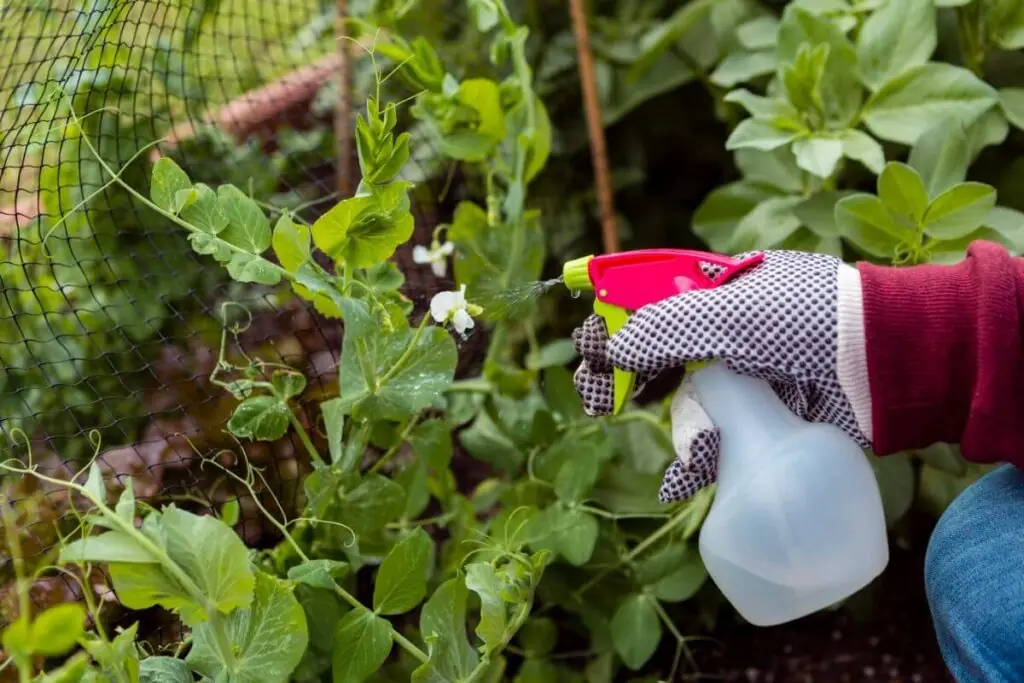
Rechargeable Pressure Sprayers: Fine-mist sprayers used for applying preventive horticultural oils and insecticidal soaps evenly.
-
Biological Predator Release Bags: Specialized porous sachets hanging in canopies to release predatory mites over multi-week cycles.
-
Digital Thermo-Hygrometers: Continuous monitoring devices tracking temperature and humidity thresholds across growing zones.
Risk Landscape, Failure Modes, and Compounding Hazards
Preventive pest management concentrates biological, operational, and environmental risks that require proactive mitigation strategies.
1. Complacency in Quarantine Protocols
Releasing new plants from quarantine prematurely before hidden insect eggs hatch can introduce destructive pest populations directly into pristine collections.
2. Phytotoxicity from Oil Over-Application
Applying horticultural oils during high daytime temperatures or under intense direct sunlight can cook leaf tissue and cause severe chemical burns.
3. Beneficial Insect Starvation and Die-Off
Introducing predatory insects into a completely pest-free environment without alternative food sources causes rapid predator starvation and population collapse.
4. Resistance Development from Misused Miticides
Relying on repetitive chemical spray treatments without rotation can foster resistant pest strains that survive future applications.
Governance, Maintenance, and Long-Term Adaptation
Maintaining long-term pest prevention requires establishing a disciplined, recurring inspection and maintenance protocol structured around seasonal shifts.
-
Spring Protocols: Inspecting plants emerging from winter dormancy, cleaning indoor window sills, and initiating early-season biological or oil treatments.
-
Summer Protocols: Monitoring rapid pest reproduction rates driven by warm ambient temperatures, checking humidity levels, and replacing sticky cards.
-
Autumn Protocols: Screening indoor heating intakes, inspecting plants moving indoors from outdoor patios, and tightening quarantine rules.
-
Winter Protocols: Managing dry indoor heating effects with humidifiers, reducing watering frequency to prevent fungus gnats, and scouting leaf axils.
-
Year-Round Protocols: Conducting weekly 10-minute visual inspections of all collection canopies using a magnifying loupe.
Measurement, Tracking, and Evaluation
Evaluating prevention success requires monitoring leading and lagging indicators across biological and operational dimensions.
Quantitative Metrics
-
Sticky Card Catch Count: Weekly numerical tally of trapped flying insects on yellow and blue monitoring cards (target: zero or negligible baseline).
-
Quarantine Completion Rate: Percentage of new plant acquisitions completing the full 30-day isolation protocol (target: 100% compliance).
-
Canopy Damage Incidence: Measured percentage of leaves showing chlorotic stippling, webbing, or insect feeding scars (target: <2% damage).
-
Beneficial Predator Activity: Confirmed presence of active predatory mites or beneficial insects in biological control zones.
Qualitative Indicators
-
Foliage Vigor and Shine: Natural leaf gloss and turgor without sticky honeydew residue or powdery webbing.
-
Root and Shoot Growth: Steady seasonal flush of new, unblemished growth tips and expanding stems.
-
Collection Cleanliness: Absence of secondary fungal sooty mold growing on insect excretions.
Common Misconceptions and Oversimplifications
-
Myth 1: Indoor plants never get pests because they are sheltered inside buildings. Correction: Pests enter easily via new plant purchases, open windows, clothing, or fresh produce.
-
Myth 2: Spraying chemical pesticides once eliminates pest risks permanently. Correction: Sprays rarely kill dormant insect eggs, requiring repeated follow-up applications and environmental adjustments.
-
Myth 3: Healthy-looking nursery plants are always pest-free. Correction: Pests in early egg or larval stages are often invisible to the naked eye without magnification.
-
Myth 4: Increasing watering frequency deters all plant pests. Correction: Overwatering damp soil creates ideal breeding conditions for fungus gnats and root-rotting pathogens.
-
Myth 5: Beneficial insects cannot survive in residential indoor spaces. Correction: Predatory mites and parasitic wasps thrive indoors if adequate target prey populations exist.
-
Myth 6: Neem oil cures every plant insect problem instantly. Correction: Neem oil is a slow-acting preventive suffocant that requires consistent contact application over multiple cycles.
Ethical, Practical, and Contextual Considerations
Promoting rigorous preventive plant health management contributes significantly to indoor air quality enhancement, biophilic well-being, and ornamental plant conservation. Cultivating healthy, pest-free flora reduces the need for harsh synthetic chemical pesticides in residential and office spaces, protecting human health and domestic pets. Furthermore, embracing biological controls and biosecurity protocols ensures that horticulture remains environmentally responsible and ecologically balanced.
Conclusion and Strategic Judgment
Mastering how to avoid plant pest infestations demands an uncompromising commitment to strict quarantine protocols, proactive environmental monitoring, and balanced horticultural hygiene. Whether establishing isolation holding areas for rare residential collections or deploying automated screening and biological predators in commercial nurseries, success is defined by how effectively the grower blocks vector entry and fosters plant cell wall resilience. By treating pest prevention as an integrated biological discipline rather than a reactive chore, horticulturists secure enduring botanical vitality across all environments.