How to Manage Root Rot: Ultimate Horticultural & Treatment Guide
Plant pathology and advanced horticulture frequently confront root decay syndromes that threaten botanical health across residential gardens, commercial greenhouses, and indoor spaces. Furthermore, soil-borne pathogen proliferation in saturated growing media represents one of the most persistent threats to perennial plants, container crops, and agricultural yields. Within this horticultural challenge, root degradation compromises vascular water transport, resulting in systemic wilting, nutrient starvation, and ultimate plant mortality. However, addressing subterranean decay requires looking beyond surface-level symptoms to diagnose the underlying hydraulic and microbial imbalances causing the failure.
Successfully addressing subterranean decay requires an analytical approach that balances pathogen eradication against root-zone microbiome restoration. Unlike surface leaf spot diseases that respond directly to topical fungicide sprays, root-zone pathogens reside deep within soil pores, making systemic treatment complex and demanding. Therefore, understanding how to manage root rot involves more than simply letting soil dry out or applying generic chemical drenches; it requires a comprehensive study of soil aeration dynamics, water retention physics, and opportunistic oomycete biology.
This authoritative reference manual delivers an exhaustive analysis of root decay mitigation strategies tailored for residential gardens, indoor container displays, and professional growing facilities. The following sections examine pathological mechanisms, environmental predisposing factors, economic lifecycles, and risk management frameworks. Through meticulous exploration, this resource establishes a definitive benchmark for informed decision-making in plant health management.
Understanding “how to manage root rot”
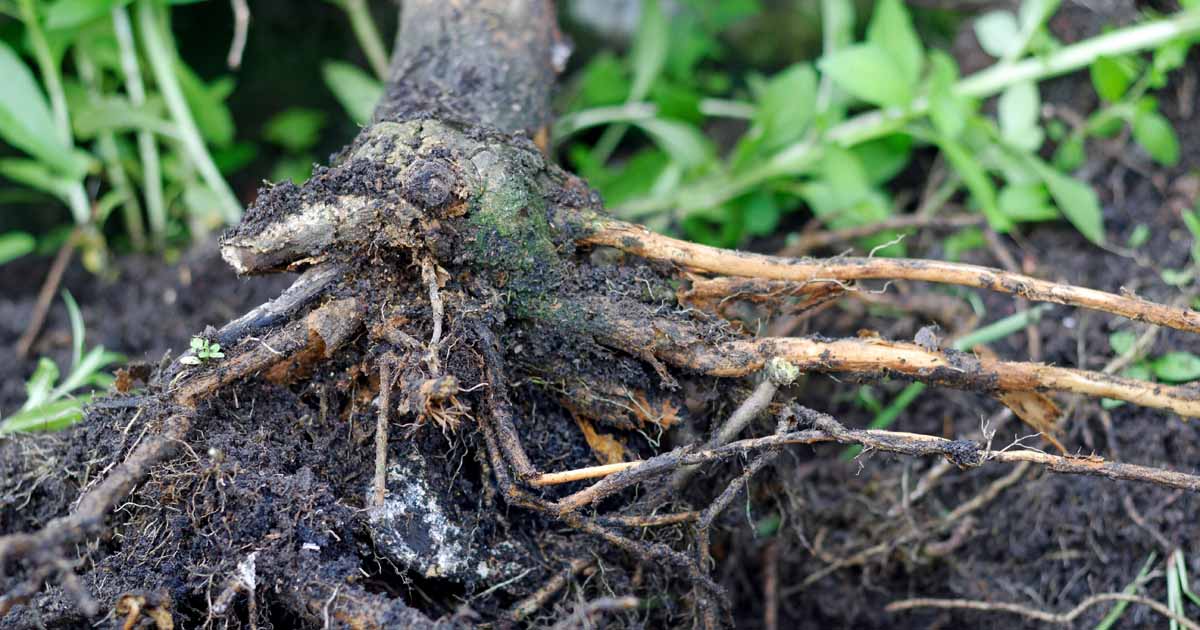
The process to master how to manage root rot involves navigating a complex intersection of soil microbiology, irrigation physics, and plant physiology rather than simply reacting to upper-foliage wilting. Gardeners and horticulturalists frequently fall into the trap of assuming that sudden leaf yellowing indicates a simple underwatering deficiency, leading them to add more water to an already saturated, oxygen-starved root ball. In professional practice, true root decay stems from anaerobic soil conditions that empower water molds like Pythium, Phytophthora, Rhizoctonia, and Fusarium to invade compromised root epidermal cells.
Common misunderstandings often focus on the belief that once root rot infects a container plant, the entire specimen must be discarded immediately without attempting surgical remediation. This oversimplification ignores the capacity of vigorous plants to regenerate functional root tips once infected tissue is excised and sterile, highly aerated growing media is introduced. Another frequent misstep is relying exclusively on broad-spectrum chemical fungicides without correcting the underlying environmental trigger—namely, excessive soil moisture and inadequate pore-space aeration.
To evaluate root health restoration accurately, planners must examine pathogenic and physical variables in tandem. Total media replacement combined with hydrogen peroxide root sterilization provides an aggressive reset for severe infections, but it induces heavy transplant shock. Conversely, biological control inoculations using beneficial microbes like Bacillus subtilis or Trichoderma offer gentle, long-term suppression of pathogenic fungi, but they require stable soil temperatures and moderate moisture levels to colonize effectively. Systematic comparison clarifies these operational trade-offs, ensuring that any chosen intervention maximizes plant survival rates.
Deep Contextual Background and Evolution
The historical understanding of subterranean root decay has evolved from primitive agricultural superstitions regarding “sour soils” to sophisticated modern molecular plant pathology. Early farmers observed that crops planted in poorly drained bottomlands or overwatered furrows mysteriously collapsed, attributing the loss to seasonal curses or bad air rather than microscopic oomycete zoospore motility.
The contemporary scientific paradigm of root pathology emerged during the nineteenth and twentieth centuries with the identification of specific fungal and oomycete vectors driving crop failures across European vineyards and global agricultural fields. Pioneering mycologists demonstrated that organisms like Phytophthora infestans produce motile zoospores that swim through water-saturated soil films to locate and penetrate host root hairs. Translating these pathological discoveries into practical horticulture required shifting from passive crop abandonment to proactive soil drainage engineering, pasteurization protocols, and systemic fungicide development.
Simultaneously, the modern commercial greenhouse industry and indoor houseplant movement accelerated the development of specialized soilless media designed specifically to prevent anaerobic water retention. Today, protocols developed when growers learn how to manage root rot function as sophisticated integrated pest management systems that protect plant health across diverse environmental settings.
Conceptual Frameworks and Mental Models
Navigating the complexities of root decay remediation requires structured mental models that organize pathological, hydraulic, and biological variables.
1. The Soil Oxygen Diffusion and Pore Space Model
Roots require molecular oxygen for cellular respiration and nutrient uptake. This mental model evaluates macropore versus micropore ratios in growing media, ensuring that irrigation cycles allow adequate air penetration between watering events.
2. The Pathogen Triad and Environmental Predisposition Framework
Disease expression requires a susceptible host, a virulent pathogen, and a favorable environment. This model analyzes how environmental stress—such as compaction, overwatering, or extreme temperatures—tips the balance in favor of pathogenic oomycetes.
3. The Root Exudate and Rhizosphere Microbial Balance
Healthy roots secrete organic compounds that attract beneficial microbes, creating a protective biological barrier. This model governs how chemical sterilants or organic amendments influence the competitive balance between pathogens and beneficial rhizobacteria.
Key Categories, Variations, and Structural Trade-Offs
Effective management strategies encompass several distinct technical approaches, each defined by specific intervention mechanisms and operational trade-offs.
1. Physical Root Pruning and Media Replacement
Surgically excising dead, brown, mushy root tissue with sterilized shears and completely replacing old, compacted soil with fresh, coarse media.
-
Advantages: Instantly removes primary infection sources; restores immediate root-zone aeration; allows visual inspection of remaining tissue.
-
Disadvantages: Induces severe transplant shock; labor-intensive process for large specimens.
2. Biological Fungicide and Microbial Inoculation
Introducing beneficial antagonistic fungi and bacteria, such as Trichoderma harzianum and Bacillus amyloliquefaciens, into the root zone.
-
Advantages: Establishes long-term systemic protection; outcompetes harmful pathogens naturally; safe for edible crops.
-
Disadvantages: Requires specific temperature and moisture windows; ineffective against advanced, widespread decay.
3. Systemic and Contact Chemical Fungicide Drenches
Applying targeted chemical formulations—such as mefenoxam, fosetyl-Al, or propiconazole—directly to the container or soil bed.
-
Advantages: Highly effective at halting active oomycete replication; fast-acting chemical suppression.
-
Disadvantages: Pathogens can develop chemical resistance; potential toxicity to sensitive plant varieties; unsuited for casual indoor spaces.
4. Controlled Subsurface Aeration and Draining
Installing physical drainage enhancements, such as perlite amendments, bottom crocking, or perforated sub-slab drainage tiles.
-
Advantages: Permanently eliminates the primary environmental trigger (waterlogging); sustainable long-term prevention.
-
Disadvantages: Requires invasive structural modification or complete repotting.
5. Hydrogen Peroxide and Oxidative Rinsing
Washing root systems with diluted food-grade hydrogen peroxide solutions to oxidize dead organic matter and eliminate fungal spores.
-
Advantages: Inexpensive and accessible; rapidly neutralizes surface pathogens on contact.
-
Disadvantages: Can damage delicate, living root hairs if over-concentrated; temporary fix that does not cure poor drainage.
6. Thermal Soil Solarization and Pasteurization
Utilizing solar heat trapped under clear plastic sheeting or controlled steam pasteurization to kill dormant fungal spores in garden beds.
-
Advantages: Chemical-free eradication of soil-borne resting spores across large plot areas.
-
Disadvantages: Requires extended warm weather periods; destroys beneficial soil microbial communities indiscriminately.
| Management Approach | Primary Mechanism | Labor Intensity | Speed of Effect | Best Application Context |
| Physical Pruning & Repotting | Removal & Media Reset | High | Immediate | Houseplants & Container Specimens |
| Biological Inoculation | Competitive Exclusion | Low | Slow to Moderate | Preventive Greenhouse & Garden Beds |
| Chemical Fungicide Drenches | Pathogen Suppression | Moderate | Fast | Commercial Nurseries & Severe Outbreaks |
| Subsurface Drainage Retrofit | Hydraulic Correction | High | Permanent | Landscape Beds & Raised Planters |
| Oxidative Peroxide Washes | Chemical Oxidation | Low | Immediate | Emergency Root Sterilization |
| Thermal Solarization | Heat Eradication | Moderate | Moderate (Weeks) | Outdoor Garden Soil Preparation |
Decision Logic for Treatment Selection: Gardeners managing severe root decay in valuable container specimens should prioritize physical root pruning and complete media replacement. Conversely, commercial operators or landscape managers seeking preventative control should deploy biological inoculations and structural drainage upgrades when evaluating how to manage root rot.
Detailed Real-World Scenarios and Implementation Constraints
Examining five distinct operational scenarios clarifies how these intervention strategies perform in practical environments.
A : Commercial Greenhouse Potted Crops
-
Context: A commercial greenhouse producing thousands of potted ornamental plants experiencing an outbreak of Pythium root rot due to over-frequent automated irrigation.
-
Selected Blueprint: Immediate adjustment of irrigation cycle timers, application of biological bacterial inoculants, and selective chemical fungicide drenches for heavily infected blocks.
-
Constraints & Failure Modes: High humidity and dense crop spacing can accelerate fungal spore spread if ventilation is neglected.
-
Second-Order Effects: Restores crop vigor and establishes strict irrigation monitoring protocols that prevent future outbreaks.
B : Suburban Raised Bed Vegetable Garden
-
Context: A backyard raised garden bed holding tomato plants that show sudden wilting and basal stem rot following a persistent two-week rainy period.
-
Selected Blueprint: Excavating saturated soil around stems, amending the bed with coarse perlite and composted bark, and applying beneficial trichoderma spores.
-
Constraints & Failure Modes: Continuous ambient rain can overwhelm outdoor bed drainage improvements, limiting immediate recovery.
-
Second-Order Effects: Improves long-term bed porosity, safeguarding subsequent seasonal vegetable harvests against waterlogging.
C : Public Conservatory Interior Specimen Tree
-
Context: A massive indoor Ficus tree planted in a fixed atrium concrete vault exhibiting leaf drop and branch dieback from chronic over-irrigation.
-
Selected Blueprint: Core aeration drilling into the root ball, installation of vertical PVC venting tubes for oxygen infusion, and reduction of automated watering frequency.
-
Constraints & Failure Modes: Inability to repot a massive mature tree restricts intervention entirely to systemic environmental adjustments.
-
Second-Order Effects: Revitalizes the root zone by reintroducing vital oxygen exchange, halting further canopy decline.
Planning, Cost, and Resource Dynamics
Budgeting for root rot management requires evaluating upfront remedial expenditures alongside ongoing preventative resource allocations. Treating root health as an infrastructural asset ensures realistic financial planning.
Direct capital costs cover replacement potting media, specialized horticultural containers, biological inoculant strains, chemical treatments, and structural drainage materials. Indirect costs encompass lost crop yields, labor hours for root surgery, water management audits, and potential plant replacement costs.
Financial allocations span distinct project tiers. Entry-level interventions for domestic houseplants utilizing hydrogen peroxide and fresh soil range from $10 to $30. Mid-range garden bed amendments, biological treatments, and container upgrades require $50 to $200. Premium commercial greenhouse interventions, automated soil moisture sensor arrays, and professional drainage retrofits range from $500 to $3,000+. Ongoing operational maintenance costs typically total $10 to $50 per month.
Opportunity costs also influence planning. Neglecting early root health warnings can result in the complete loss of mature specimen plants that took years to cultivate. Furthermore, excessive chemical usage can damage delicate soil food webs, requiring subsequent investments to restore biological equilibrium.
| Intervention Tier | Initial Financial Outlay | Ongoing Operational Cost | Expected Recovery Rate | Primary Resource Requirement |
| Entry-Level (Houseplants) | $10 – $30 | Minimal | 60% – 70% | Fresh media & sharp pruning shears |
| Mid-Range (Beds & Containers) | $50 – $200 | $10 – $25 per month | 75% – 85% | Amendments, biology, & labor |
| Premium (Commercial/Atrium) | $500 – $3,000+ | $40 – $100 per month | 85% – 95% | Drainage engineering & sensors |
Tools, Horticultural Technologies, and Support Systems
Executing effective root decay management requires an ecosystem of diagnostic tools, specialized media components, and biological support systems.
-
Digital Soil Moisture Tensiometers: Precision probes measuring root-zone moisture tension to prevent premature or excessive watering.
-
Sterilized Micro-Pruning Shears: Ultra-sharp stainless steel shears used to excise necrotic root tissue cleanly without crushing vascular bundles.
-
Food-Grade Hydrogen Peroxide (3%): Oxidizing agent utilized in diluted baths to sterilize surviving root structures during emergency repotting.
-
Mycorrhizal and Trichoderma Inoculants: Concentrated biological powders introducing beneficial fungi that colonize roots and block pathogen entry.
-
Coarse Horticultural Perlite and Pumice: Inorganic media amendments blended into soils to permanently increase macropore air space.
-
Systemic Fungicide Formulations: Professional-grade chemical drenches targeted at specific oomycete and fungal pathogens.
-
Perforated Drainage Sub-Liners: Flexible corrugated membranes ensuring rapid water percolation away from container bases.
-
EC and pH Pen Testers: Diagnostic instruments monitoring root-zone nutrient solution balance and acidity.
Risk Landscape, Failure Modes, and Compounding Hazards
Root decay management concentrates biological, chemical, and operational risks that require proactive mitigation strategies.
1. Incomplete Necrotic Tissue Removal
Failing to trim away all infected, brown root tissue during surgery allows hidden pathogens to reinfect newly regenerated root growth.
2. Secondary Bacterial Soft Rot Infections
Using unsterilized cutting tools or leaving root wounds exposed to wet media can trigger aggressive secondary bacterial infections that rapidly kill the plant.
3. Chemical Phytotoxicity from Over-Drenching
Applying excessive concentrations of chemical fungicides or hydrogen peroxide can chemically burn tender root tips, compounding plant stress.
4. Chronic Substrate Compaction Relapse
Failing to incorporate adequate coarse structural amendments into new soil mixtures leads to rapid re-compaction and recurring waterlogging.
Governance, Maintenance, and Long-Term Adaptation
Maintaining long-term root health requires establishing a disciplined, recurring inspection and maintenance protocol structured around seasonal environmental shifts.
-
Spring Protocols: Inspecting container drainage holes, refreshing top-layer media, and initiating preventive biological inoculations.
-
Summer Protocols: Monitoring high-evaporation water demands, ensuring automated irrigation timers match peak plant uptake, and avoiding over-saturation.
-
Autumn Protocols: Clearing fallen organic debris from garden beds, reducing irrigation frequency as daylight wanes, and preparing indoor transition plants.
-
Winter Protocols: Minimizing indoor watering schedules to match slowed metabolic rates, ensuring heating vents do not dry root balls unevenly.
-
Year-Round Protocols: Conducting monthly physical checks of container drainage status and observing foliage turgor for early stress signals.
Measurement, Tracking, and Evaluation
Evaluating intervention success requires monitoring leading and lagging indicators across biological, structural, and operational dimensions.
Quantitative Metrics
-
Canopy Turgor Recovery Rate: Percentage of healthy leaf turgor restored within 14 to 30 days post-intervention (target: >85% recovery).
-
New White Root Elongation: Visual confirmation of active, white, crisp root tip growth emerging past pruning cuts (target: 100% active growth).
-
Substrate Air-Filled Porosity: Measured percentage of air space in growing media following irrigation (target: 20% to 30% air space).
-
Plant Survival Percentage: Overall survival rate of treated botanical specimens following surgical intervention (target: >80% success).
Qualitative Indicators
-
Foliage Color Vigor: Resumption of deep green leaf coloration without chlorotic yellowing or tip necrosis.
-
Stem Base Firmness: Firm, healthy stem tissue at the soil line free from mushy, water-soaked lesions.
-
Odor Profile: Absence of sulfurous, anaerobic, stagnant odors emanating from the container root zone.
Common Misconceptions and Oversimplifications
-
Myth 1: Root rot is caused exclusively by watering a plant too frequently. Correction: It is caused by a combination of excess moisture and lack of soil oxygen that allows anaerobic pathogens to thrive.
-
Myth 2: Once root rot appears, the plant is completely unsaveable. Correction: Many plants recover fully if infected roots are pruned and the plant is repotted in fresh, well-aerated media.
-
Myth 3: Letting soil dry out completely cures existing root rot. Correction: While reducing moisture stops pathogen spread, severely damaged roots often die from desiccation if not pruned and cared for.
-
Myth 4: Chemical fungicides are always necessary to treat root decay. Correction: Improving drainage and applying beneficial biological microbes successfully resolves most mild to moderate cases.
-
Myth 5: All potting soils provide equal oxygen diffusion. Correction: Dense, peat-heavy soils compact and retain water, whereas coarse mixes with perlite and bark maintain vital air space.
-
Myth 6: Hydrogen peroxide kills all pathogens without harming plants. Correction: High concentrations of hydrogen peroxide cause severe chemical burns on delicate living root hairs.
Ethical, Practical, and Contextual Considerations
Promoting rigorous plant health management contributes significantly to urban forestry conservation, agricultural sustainability, and psychological well-being. Healthy plants maintain robust carbon sequestration rates, support local pollinator populations, and provide restorative green spaces for human environments. Furthermore, adopting biological disease suppression over harsh chemical overuse ensures that horticultural practices remain environmentally responsible and ecologically balanced.
Conclusion and Strategic Judgment
Mastering how to manage root rot demands an uncompromising commitment to understanding soil aeration physics, oomycete pathology, and precise horticultural hygiene. Whether executing surgical root pruning for prized container specimens or engineering advanced subsurface drainage for commercial garden beds, success is defined by how effectively the intervention restores oxygen exchange to the root zone. By treating subterranean plant health as an integrated biological system, growers ensure enduring botanical vitality across all environments.