Compare Modular Planters: Ultimate Guide to Sectional Containers
Modern horticulture and landscape architecture increasingly depend on flexible growing systems to adapt to irregular urban spaces, rooftop terraces, and specialized indoor environments. Furthermore, the shift from traditional monolithic terra cotta pots and fixed concrete planters toward interlocking container systems has transformed how professional growers and homeowners manage spatial layouts. Within this evolving market, sectional growing vessels provide unprecedented adaptability, allowing gardeners to scale, reshape, and reconfigure planting arrays as botanical needs change over time. However, selecting the ideal container architecture requires navigating a complex matrix of material durability, thermal insulation properties, and internal moisture management mechanics.
Evaluating interlocking container systems demands an analytical approach that balances structural longevity against plant root health and ergonomic convenience. Unlike single-mold heavy ceramic urns, sectional vessels comprise multiple interlocking, stacking, or magnetic modules that must maintain watertight integrity while enduring outdoor weather extremes. Therefore, conducting a thorough review to compare modular planters involves more than assessing aesthetic finishes; it requires a deep examination of wall thickness, UV stabilization, polymer composition, and subsurface drainage efficiency.
This authoritative reference manual delivers an exhaustive analysis of sectional container systems tailored for residential gardens, urban rooftops, and controlled indoor growing areas. The following sections examine engineering principles, material science limitations, economic lifecycles, and risk management frameworks. Through meticulous exploration, this resource establishes a definitive benchmark for informed decision-making in container garden development.
Understanding “compare modular planters”
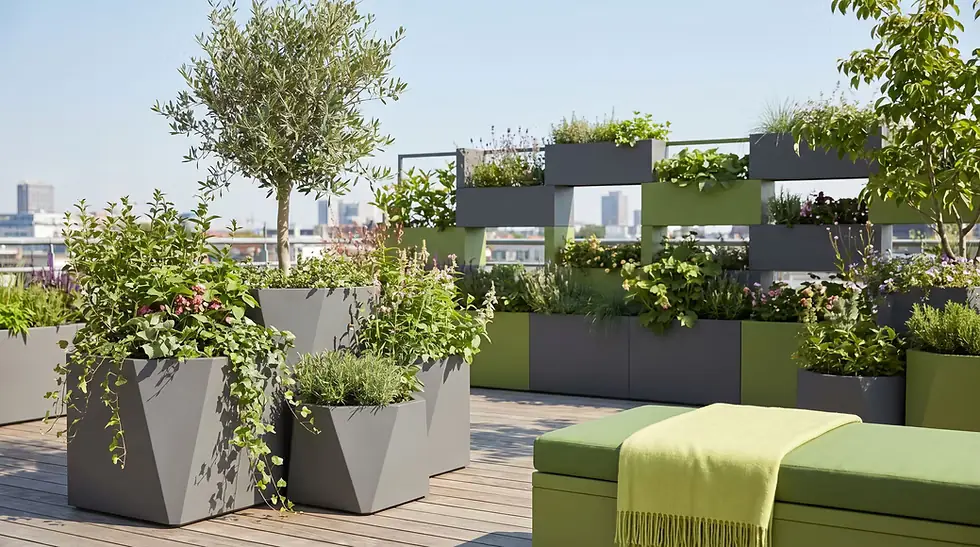
The exercise to compare modular planters involves navigating a complex intersection of material engineering, hydraulic drainage design, and root-zone thermal dynamics rather than simply evaluating surface aesthetics. Property owners and landscape designers frequently fall into the trap of assuming that all interlocking plastic or resin pots perform identically under intense summer solar radiation or freezing winter conditions. In professional practice, high-performance sectional containers require UV-inhibited polymers, reinforced interlocking clips, and engineered internal water-percolation channels to prevent root asphyxiation.
Common misunderstandings often focus on the belief that stacking container vessels share uniform moisture retention across every vertical tier. This oversimplification ignores the reality that upper tiers drain rapidly via gravity, while lower tiers frequently accumulate excess water runoff, leading to localized root rot if internal drainage holes are misaligned. Another frequent misstep is underestimating how differential thermal expansion between interlocking joints can cause structural warping or fastener shearing over multi-year outdoor exposure cycles.
To evaluate sectional growing systems accurately, planners must examine structural and biological variables in tandem. Heavy-duty rotational-molded polyethylene stacking blocks offer exceptional impact resistance and freeze durability, but they occupy a significant physical footprint on small balconies. Conversely, lightweight injection-molded vertical cassette walls maximize space efficiency on tight vertical surfaces, but they demand rigorous daily moisture monitoring due to restricted soil volumes. Systematic comparison clarifies these operational trade-offs, ensuring that any selected configuration achieves long-term horticultural and structural success.
Deep Contextual Background and Evolution
The development of sectional growing vessels traces a clear lineage from traditional agricultural terraced farming and stacking clay strawberry pots to modern engineered polymer container systems. Early horticultural practices relied on gravity-fed stone terraces or simple hand-thrown earthenware vessels with multiple planting pockets. While functional for rustic herb gardens, these primitive clay structures suffered from high breakage rates, extreme weight, and poor moisture uniformity.
The contemporary paradigm of engineered sectional planters emerged from advancements in industrial polymer chemistry, rotational molding technology, and precision injection manufacturing during the late twentieth century. Pioneering container manufacturers demonstrated that UV-stabilized high-density polyethylene and fiberglass-reinforced resins could replicate the structural integrity of heavy stone while reducing weight by over seventy percent. Translating these industrial advances into consumer and commercial markets required shifting from single-use decorative pots to standardized, interlocking architectural building blocks.
Simultaneously, the modern cultural emphasis on urban gardening, balcony food production, and architectural biophilia accelerated widespread adoption. Homeowners consistently report enhanced satisfaction when organizing flexible garden layouts that adapt to changing seasonal sunlight angles. Today, configurations evaluated when people compare modular planters function as sophisticated structural systems that redefine modern container gardening.
Conceptual Frameworks and Mental Models
Navigating the complexities of sectional container selection requires structured mental models that organize material, hydraulic, and biological variables.
1. The Thermal Mass and Root Insulation Model
Container walls absorb and transfer ambient solar heat directly to enclosed root zones. This mental model evaluates material thermal conductivity, wall thickness, and color absorption, preventing root scorching in summer and frost penetration in winter.
2. The Hydraulic Cascade and Drainage Framework
Water moving through stacked or interlocking container tiers follows gravitational pathways. This model analyzes vertical drainage distribution, overflow routing, and perched water table depths to maintain optimal root-zone aeration.
3. The Structural Interlock and Load-Bearing Matrix
Multi-tiered container arrangements concentrate massive soil and water weight onto bottom support joints. This model calculates shear stress, material creep over time, and stacking height limits to prevent catastrophic structural collapse.
Key Categories, Variations, and Structural Trade-Offs
The global market features several distinct architectural container designs, each defined by specific material compositions and interlocking mechanisms.
1. Rotational-Molded Polyethylene Stacking Blocks
Heavy-duty, hollow-walled polymer modules featuring interlocking tongue-and-groove lips and integrated internal drainage channels.
-
Advantages: Exceptional impact resistance; outstanding freeze-thaw durability; excellent UV inhibitor retention.
-
Disadvantages: Higher upfront capital cost; bulky visual profile in small spaces.
2. Injection-Molded ABS Vertical Cassette Grids
Rigid, lightweight plastic frames that snap together on wall mounts to form dense vertical planting matrices.
-
Advantages: Maximizes vertical space efficiency; lightweight profile; precise alignment for drip irrigation lines.
-
Disadvantages: Restricted individual soil volume per pocket; dependent on secure wall mounting hardware.
3. Fiberglass-Reinforced Resin Modular Cubes
Rigid, straight-walled geometric cubes designed to lock together via hidden magnetic or mechanical pin connectors.
-
Advantages: Clean, modern architectural aesthetic; mimics cast concrete or stone without excessive dead weight.
-
Disadvantages: Brittle impact response under extreme cold; higher scratch visibility.
4. Galvanized Steel Interlocking Troughs
Industrial-grade metal modular channels bolted together in stepped configurations for urban patios and rooftop gardens.
-
Advantages: Unmatched structural rigidity; sleek industrial aesthetic; highly durable against physical impacts.
-
Disadvantages: High thermal conductivity can overheat roots in full sun; potential rust risk if protective coatings scratch.
5. Fabric Geotextile Modular Wall Pockets
Flexible synthetic felt compartments stitched onto rigid backing frames, allowing modular expansion.
-
Advantages: Superior air pruning of roots prevents root circling; lightweight and collapsible for storage.
-
Disadvantages: Rapid moisture evaporation requires frequent watering; fabric degradation under intense solar radiation over time.
6. Terraced Ceramic Interlocking Planter Rings
Hand-glazed ceramic vessels designed with staggered notches to stack vertically in decorative courtyard columns.
-
Advantages: Premium classic appearance; excellent weight stability for windy garden sites.
-
Disadvantages: Extremely heavy and brittle; prone to cracking during sudden winter freezes.
| Container Architecture | Material Composition | Thermal Insulation | Weight Profile | Primary Application |
| Rotational-Molded Blocks | High-Density Polyethylene | High | Moderate | Patios, Terraces, & Edible Gardens |
| Injection-Molded Cassettes | ABS Plastic | Low to Moderate | Light | Vertical Walls & Apartments |
| Fiberglass Resin Cubes | Fiberglass & Resin | Moderate | Moderate | Modern Architectural Landscapes |
| Galvanized Steel Troughs | Coated Sheet Metal | Low | Heavy | Urban Rooftops & Industrial Patios |
| Geotextile Fabric Pockets | Synthetic Felt | High | Very Light | Small Balconies & Vertical Greens |
| Terraced Ceramic Rings | Glazed Stoneware | Moderate | Very Heavy | Courtyards & Traditional Gardens |
Decision Logic for System Selection: Gardeners seeking durable, freeze-resistant containers for edible crop production on open patios should prioritize rotational-molded polyethylene stacking blocks. Conversely, urban apartment dwellers requiring lightweight, wall-mounted flexibility will benefit from injection-molded cassettes or geotextile fabric pockets when professionals compare modular planters.
Detailed Real-World Scenarios and Implementation Constraints
Examining five distinct operational scenarios clarifies how these container architectures perform in practical environments.
A : Urban Rooftop Container Farm
-
Context: A high-rise commercial rooftop deck exposed to severe wind shear, intense solar radiation, and strict structural dead-load weight limits.
-
Selected Blueprint: Rotational-molded polyethylene stacking blocks filled with lightweight growing media and anchored with ballast water reservoirs.
-
Constraints & Failure Modes: Strict rooftop weight limits restrict heavy soil usage, while high winds demand secure interlocking alignment.
-
Second-Order Effects: Creates a productive, high-yield urban agricultural space while remaining well within safe structural load tolerances.
B : Small Rental Apartment Balcony
-
Context: A third-floor residential balcony with concrete flooring, limited square footage, and strict lease rules prohibiting wall drilling.
-
Selected Blueprint: Vertical stacking tower modules arranged in a compact corner footprint with an integrated gravity drip reservoir.
-
Constraints & Failure Modes: Small soil volumes dry out rapidly during summer heat waves, requiring consistent water management.
-
Second-Order Effects: Maximizes limited floor space to cultivate a thriving culinary herb garden without violating rental agreements.
C : Modern Suburban Patio and Lounge
-
Context: A newly landscaped backyard concrete patio featuring clean architectural lines, outdoor dining furniture, and partial shade.
-
Selected Blueprint: Fiberglass-reinforced resin modular cubes locked together to form custom privacy screens planted with ornamental grasses.
-
Constraints & Failure Modes: High aesthetic expectations demand pristine surface finishes and flawless alignment of hidden connectors.
-
Second-Order Effects: Delivers sophisticated spatial zoning that separates the dining area from the pool deck seamlessly.
D : Commercial Restaurant Outdoor Terrace
-
Context: A high-traffic restaurant terrace exposed to heavy customer movement, dropped dishware, and outdoor weather.
-
Selected Blueprint: Galvanized steel interlocking troughs bolted into heavy-duty stepped configurations along the terrace perimeter.
-
Constraints & Failure Modes: Metal thermal conductivity can heat soil excessively in direct summer sun, requiring drought-tolerant plantings.
-
Second-Order Effects: Provides sturdy, vandal-resistant perimeter privacy hedging that enhances customer dining ambiance.
E : Shaded Residential Courtyard
-
Context: A compact courtyard enclosed by high brick walls, featuring damp paving stones and filtered sunlight.
-
Selected Blueprint: Geotextile fabric modular wall pockets mounted on a freestanding PVC frame populated with shade-loving ferns.
-
Constraints & Failure Modes: Low light levels restrict plant species selection, and fabric dampness requires good courtyard airflow.
-
Second-Order Effects: Softens hard masonry walls into a lush, tranquil woodland garden oasis.
Planning, Cost, and Resource Dynamics
Budgeting for a sectional container installation requires evaluating upfront capital expenditures alongside ongoing operational expenses. Treating the system as a long-term gardening asset ensures realistic financial planning.
Direct capital costs cover modular container units, specialized lightweight potting media, internal wicking inserts, automated drip manifolds, and initial plant stock. Indirect costs encompass municipal water consumption, specialized organic fertilizers, seasonal soil replenishment, and occasional replacement modules.
Financial allocations span distinct project tiers. Entry-level fabric wall pockets and basic stackable plastic towers range from $40 to $150. Mid-range rotational-molded blocks and fiberglass resin cubes require $200 to $700. Premium commercial-grade galvanized steel troughs and custom architectural modular systems range from $1,000 to $4,000+. Ongoing operational maintenance costs typically total $10 to $40 per month.
Opportunity costs also influence planning. Dedicating patio floor space to bulky container configurations means forgoing alternative lounge seating or entertaining capacity. Furthermore, container drainage runoff must be managed carefully to avoid staining paving stones or pooling on decks.
| Investment Tier | Initial Capital Cost (CapEx) | Monthly Operating Cost (OpEx) | Expected System Lifespan | Primary Maintenance Requirement |
| Entry-Level (Fabric/Towers) | $40 – $150 | $3 – $10 | 2 – 4 years | Frequent watering & seasonal replanting |
| Mid-Range (Polyethylene/Resin) | $200 – $700 | $10 – $25 | 5 – 10 years | Drainage flushing & occasional cleaning |
| Premium (Steel/Custom Architectural) | $1,000 – $4,000+ | $30 – $75+ | 12 – 20+ years | Structural fastener checks & touch-ups |
Tools, Horticultural Technologies, and Support Systems
Operating a reliable sectional container garden requires an ecosystem of specialized hardware, automated watering devices, and maintenance tools.
-
Battery-Operated Drip Irrigation Timers: Weather-resistant digital controllers that automate daily watering cycles across multi-tier container arrays.
-
Moisture Meter Probes: Long-stemmed electronic meters used to check root-zone hydration levels in deep modular blocks.
-
Lightweight Potting Media Mixes: Specialized soilless blends incorporating perlite, peat, and coco coir to minimize container dead weight.
-
Interlocking Alignment Mallets: Soft-faced rubber mallets used during assembly to seat plastic tongue-and-groove joints without cracking polymer walls.
-
Slow-Release Granular Fertilizer Injectors: Controlled-release nutrient capsules mixed into container soil to sustain plant vigor over growing seasons.
-
Perched Water Table Drainage Inserts: Porous plastic discs placed at container bases to optimize capillary action and prevent root rot.
-
UV-Resistant Plant Ties and Trellises: Supporting hardware that snaps directly into container framing to train tall climbing crops.
-
Surface Cleaning and UV Protectant Sprays: Specialized conditioners applied annually to maintain polymer color and prevent oxidation.
Risk Landscape, Failure Modes, and Compounding Hazards
Sectional container configurations concentrate structural, thermal, and biological risks that require proactive mitigation strategies.
1. Interlocking Joint Separation Under Load
Sub-optimal fastener engagement or shifting soil weight can cause modular stacking joints to separate, leading to structural leaning or collapse.
2. Root-Zone Thermal Stress and Desiccation
Containers exposed to intense summer sun can experience elevated root temperatures that cook delicate root hairs and accelerate moisture loss.
3. Perched Water Saturation and Root Asphyxiation
Poorly designed drainage holes in stacked tiers can cause upper-tier runoff to pool in lower modules, creating anaerobic root conditions.
4. Mineral Salt Accumulation in Closed Systems
Frequent fertilization combined with container evaporation causes fertilizer salts to crystallize in the growing media, burning plant roots.
Governance, Maintenance, and Long-Term Adaptation
Maintaining a sectional container garden requires establishing a disciplined, recurring maintenance protocol structured around seasonal operational needs.
-
Spring Protocols: Inspecting interlocking joints for winter frost damage, flushing old soil, and planting fresh crop stock.
-
Summer Protocols: Adjusting automated irrigation schedules for peak evaporation rates, checking soil moisture daily, and applying mulch.
-
Autumn Protocols: Harvesting spent crops, clearing organic debris, and protecting tender perennials from early frosts.
-
Winter Protocols: Draining exterior irrigation lines, emptying water-sensitive ceramic modules, and storing lightweight fabric pockets.
-
Year-Round Protocols: Conducting monthly structural stability checks on stacked tiers and clearing drainage ports.
Measurement, Tracking, and Evaluation
Evaluating performance requires monitoring leading and lagging indicators across biological, structural, and operational dimensions.
Quantitative Metrics
-
Crop Vigor and Yield Index: Biomass growth or harvest weight recorded per square foot of container footprint (target: >85% optimal yield).
-
Hydraulic Efficiency Ratio: Gallons of water consumed weekly, optimized against plant transpiration and container evaporation.
-
Structural Stability Variance: Zero measurable deviation or leaning angle recorded across stacked container tiers over time (target: 100% plumb).
-
Plant Survival Rate: Percentage of botanical stock surviving seasonal climate cycles without requiring replacement (target: >90% annual survival).
Qualitative Indicators
-
Container Aesthetic Integrity: Polymer and resin surfaces maintaining original coloration without chalking, fading, or UV cracking.
-
Interlocking Fit Precision: Container modules remaining securely locked together without operational looseness or rattle.
-
Root Health Condition: Vibrant, white root development visible during seasonal repotting without signs of circling or rot.
Common Misconceptions and Oversimplifications
-
Myth 1: All modular planters feature identical drainage efficiency across stacked tiers. Correction: Lower tiers frequently collect runoff from upper levels, requiring careful internal drainage alignment to prevent waterlogging.
-
Myth 2: Plastic modular containers degrade immediately in sunlight. Correction: High-quality rotational-molded polyethylene planters contain advanced UV inhibitors ensuring multi-year outdoor lifespans.
-
Myth 3: Sectional planters require no structural anchoring on windy rooftops. Correction: High-profile stacked modules act as wind sails and require weighted base ballasts or structural tie-downs.
-
Myth 4: Standard garden soil works best in modular containers. Correction: Heavy native garden soils compact severely in containers; specialized lightweight soilless media is mandatory.
-
Myth 5: Metal modular troughs are safe for plants in direct summer sun. Correction: Uninsulated metal walls can conduct extreme heat, scorching delicate plant roots unless properly shaded.
-
Myth 6: Renters cannot use sectional growing systems. Correction: Lightweight stacking towers and modular fabric pockets offer portable container gardening without permanent architectural alterations.
Ethical, Practical, and Contextual Considerations
Integrating flexible container gardening into urban residential spaces contributes significantly to local food security, pollinator conservation, and occupant psychological well-being. Sectional growing systems empower urban residents to cultivate fresh vegetables and native flora in spaces previously deemed barren or unusable. Furthermore, utilizing sustainable soilless media, water-saving drip emitters, and durable recyclable polymers ensures that container gardening remains environmentally responsible.
Conclusion and Strategic Judgment
Selecting configurations when professionals and homeowners compare modular planters demands an uncompromising commitment to structural material durability, hydraulic drainage engineering, and thermal root protection. Whether evaluating rotational-molded polyethylene stacking blocks for robust patio food production or injection-molded cassettes for vertical wall displays, success is defined by how reliably the container system balances water management against mechanical stability. By treating sectional growing vessels as engineered horticultural infrastructure, gardeners create enduring, adaptable biophilic assets that transform architectural spaces.