Best Living Walls for Beginners: Ultimate Easy Guide
Indoor and architectural horticulture has undergone a profound democratization over the past decade. Furthermore, vertical gardening has expanded beyond commercial atriums and high-end botanical installations into residential homes. Within this broader horticultural movement, novice enthusiasts frequently seek entry points into vertical planting. However, transitioning from horizontal potted plants to vertical living systems introduces unexpected challenges regarding gravity-fed drainage, root competition, and moisture control.
Evaluating vertical vegetation for novice growers demands an analytical approach that balances botanical resilience against operational simplicity. Unlike experienced horticulturists who manage complex active hydroponic pumps and automated nutrient dosers, beginners require forgiving systems that tolerate irregular watering schedules and minor environmental fluctuations. Therefore, identifying the best living walls for beginners involves careful evaluation of passive watering mechanics, robust plant species selection, and straightforward installation requirements.
This authoritative reference manual delivers an exhaustive analysis of vertical vegetation configurations tailored specifically for novice growers. The following sections examine structural engineering principles, physiological plant limitations, economic lifecycles, and institutional risk management frameworks. Through meticulous exploration, this resource establishes a definitive benchmark for informed decision-making in beginner-friendly vertical green wall development.
Understanding “best living walls for beginners”
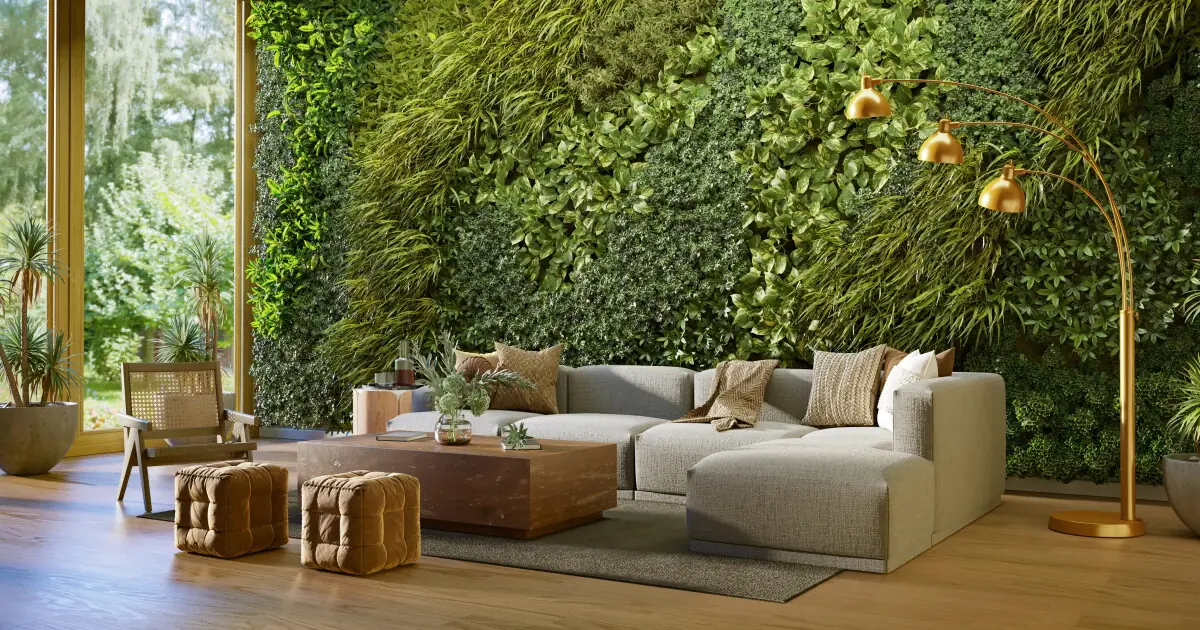
The search for the best living walls for beginners involves navigating a complex intersection of novice horticultural tolerance, ease of installation, and low-maintenance mechanics rather than simply purchasing complex commercial systems. Designers and amateur gardeners frequently fall into the trap of assuming that high-tech automated walls simplify upkeep. In professional practice, complex systems often introduce troubleshooting hurdles that overwhelm novices when electronic components fail.
Common misunderstandings often focus on the belief that beginner-friendly installations require zero active management. This oversimplification ignores the reality that all living systems require regular monitoring of moisture levels and periodic pruning. Another frequent misstep is selecting delicate tropical foliage that reacts poorly to typical indoor humidity fluctuations and irregular watering habits.
To evaluate beginner green wall systems accurately, planners must examine mechanical and biological realities in tandem. Passive tray systems offer exceptional simplicity by catching runoff in removable reservoirs, but they demand manual emptying. Conversely, hanging pocket panels distribute water evenly across felt layers, but they require careful initial saturation. Systematic comparison clarifies these operational trade-offs, ensuring that any selected installation builds confidence and fosters horticultural success.
Deep Contextual Background and Evolution
The integration of vertical vegetation for novice growers traces a clear lineage from traditional window boxes and tabletop planter trays to modern beginner-oriented modular kits. Early home gardeners relied entirely on single pots placed on windowsills or simple hanging macramé cords. While accessible, these traditional methods offered zero structural integration and frequently resulted in water damage on windowsills from overflow.
The contemporary paradigm of engineered beginner vertical systems emerged from advancements in consumer-grade modular plastics, absorbent synthetic textiles, and user-friendly horticultural education. Pioneering manufacturers demonstrated that simplified cassette frames and felt pocket matrices could be pre-assembled for straightforward wall mounting. Translating these systems into residential homes required shifting from complex plumbing configurations to gravity-fed top reservoirs and self-watering wicking channels.
Simultaneously, the widespread cultural surge in home wellness and indoor plant cultivation accelerated consumer demand. Households recognized that engaging with indoor greenery improves mental well-being and air quality. Today, configurations categorized among the best living walls for beginners function as accessible, forgiving entry points into advanced indoor horticulture.
Conceptual Frameworks and Mental Models
Navigating the complexities of beginner vertical garden design requires structured mental models that organize structural, biological, and behavioral variables.
1. The Horticultural Forgiveness Threshold Model
Novice growers inevitably experience lapses in maintenance routines. This mental model evaluates how resilient a specific system is to occasional underwatering or overwatering, prioritizing plant species and media combinations that bounce back from stress.
2. The Low-Friction Installation Hierarchy
Complexity discourages beginners. This model ranks installation steps by mechanical difficulty, ensuring that beginner systems avoid complex wall anchoring, electrical wiring, or pressurized plumbing connections.
3. The Visual Feedback Loop Framework
Beginners rely on visual cues to assess plant health. This framework maps clear indicators—such as leaf turgor, soil color, and reservoir levels—so that operators can diagnose moisture or nutrient needs instantly.
Key Categories, Variations, and Structural Trade-Offs
The residential market features several distinct architectural system designs suitable for novice growers, each defined by specific mounting strategies and watering mechanisms.
1. Removable Modular Tray Kits
Rigid plastic wall-mounted frames housing individual drop-in nursery pots with integrated bottom drainage troughs.
-
Advantages: Easiest plant swapping; excellent root aeration; foolproof individual pot management.
-
Disadvantages: Visible plastic container rims; limited root expansion space.
2. Felt Pocket Hanging Panels
Marine-grade synthetic felt sheets suspended over waterproof backing boards with horizontal planting slits.
-
Advantages: Lightweight profile; continuous root run; seamless, lush visual coverage.
-
Disadvantages: Fabric drying requires mindful initial watering; potential root intertwining over time.
3. Self-Watering Stackable Vertical Planters
Vertical tiers of molded planters that stack vertically, featuring internal capillary wicking disks that draw water upward.
-
Advantages: Floor-standing or tabletop options requiring zero wall mounting; built-in water reservoirs.
-
Disadvantages: Occupies floor or table footprint; restricted vertical height.
4. Magnetic Backsplash Pod Arrays
Individual metal or ceramic pots with magnetic backs adhering to a wall-mounted steel plate.
-
Advantages: Extremely modular; easy individual plant removal for watering in the sink; stylish aesthetic.
-
Disadvantages: Small soil volume dries out rapidly; strict weight limits.
5. Pocket-Based Hanging Shoe Organizers (DIY Conversion)
Breathable synthetic fabric organizers repurposed as budget-friendly vertical planters.
-
Advantages: Extremely low cost; highly accessible materials; zero specialized hardware required.
-
Disadvantages: Poor structural aesthetics; lack of integrated waterproof backing risks wall damage.
6. Frame-Mounted Hydroponic Wick Kits
Self-contained framed units utilizing absorbent wicks to draw water from a bottom basin up into a vertical growing mat.
-
Advantages: No pumps required; steady passive moisture delivery; clean framing aesthetic.
-
Disadvantages: Wick degradation over extended cycles; limited ability to adjust flow rates.
| System Architecture | Installation Complexity | Watering Forgiveness | Typical Plant Capacity | Primary Maintenance Focus |
| Modular Tray Kits | Low | High | 4 – 12 plants | Tray draining & pot swapping |
| Felt Pocket Panels | Moderate | Moderate | 8 – 24 plants | Thorough initial saturation |
| Self-Watering Tiers | Very Low | High | 3 – 9 plants | Reservoir top-offs |
| Magnetic Pod Arrays | Low | Low to Moderate | 4 – 8 plants | Frequent manual hydration |
| DIY Fabric Pockets | Very Low | Moderate | 12 – 30 plants | Waterproof wall protection |
| Wick-Fed Frame Kits | Moderate | High | 6 – 16 plants | Wick cleaning & reservoir checks |
Decision Logic for System Selection: Novices residing in rental properties with strict lease agreements should prioritize self-watering stackable vertical planters or magnetic pod arrays. Conversely, homeowners seeking a permanent decorative feature can install removable modular tray kits when evaluating the best living walls for beginners.
Detailed Real-World Scenarios and Implementation Constraints
Examining five distinct residential scenarios clarifies how these beginner structural plans perform in practice.
A : Rented Apartment Living Room
-
Context: A tenant living in a rental unit with strict lease rules prohibiting drilling into walls, featuring a moderately lit living room.
-
Selected Blueprint: Self-watering stackable vertical planter placed on a sturdy credenza near a south-facing window.
-
Constraints & Failure Modes: Lease restrictions prevent wall mounting; floor space is limited, requiring a compact footprint.
-
Second-Order Effects: Provides a lush focal point without risking security deposit deductions for wall damage.
B : Suburban Kitchen Herb Corner
-
Context: A homeowner wanting fresh cooking herbs near the kitchen sink but lacking horizontal counter space.
-
Selected Blueprint: Magnetic backsplash pod array mounted on a single steel sheet above the counter.
-
Constraints & Failure Modes: Frequent cooking grease and steam exposure require weekly wiping of pods and hardy herb selection.
-
Second-Order Effects: Encourages culinary experimentation through easily accessible fresh basil and mint.
C : Home Office Workspace Nook
-
Context: A remote worker seeking a calming green backdrop for video calls in a room with limited natural light.
-
Selected Blueprint: Removable modular tray kit mounted on drywall with supplemental full-spectrum LED desk lighting.
-
Constraints & Failure Modes: Low natural light requires auxiliary lighting to prevent leggy, weak plant growth.
-
Second-Order Effects: Enhances video call aesthetics while improving perceived workspace air quality.
D : Shared Family Entryway Hallway
-
Context: A high-traffic family hallway with zero natural daylight and heavy daily foot traffic.
-
Selected Blueprint: Felt pocket panel mounted on a waterproof backer board with automated LED strip lighting.
-
Constraints & Failure Modes: Lack of natural daylight makes artificial lighting essential; narrow corridor requires slim profile.
-
Second-Order Effects: Transforms a sterile transitional hallway into an engaging biophilic welcome zone.
E : Dormitory or Student Study Room
-
Context: A student residing in temporary student housing with tight spatial constraints and minimal budget.
-
Selected Blueprint: Repurposed fabric hanging organizer mounted with heavy-duty damage-free adhesive strips.
-
Constraints & Failure Modes: Adhesive failure under saturated soil weight represents a primary structural risk.
-
Second-Order effects: Delivers an affordable introduction to vertical gardening on a student budget.
Planning, Cost, and Resource Dynamics
Budgeting for a beginner vertical garden requires evaluating upfront capital expenditures alongside modest ongoing operational costs. Treating the installation as an accessible hobby investment ensures realistic financial forecasting.
Direct capital costs cover mounting hardware, modular planters or felt panels, basic potting mix, initial hardy plant stock, and optional LED grow lights. Indirect costs encompass water usage, liquid organic fertilizer, and occasional plant replacements due to beginner learning curves.
Financial allocations span distinct project tiers. Entry-level DIY fabric organizers or stackable tiers range from $25 to $75. Mid-range removable modular tray kits and felt pocket panels require $100 to $300. Premium framed self-watering units range from $350 to $800. Ongoing operational maintenance costs typically total $5 to $20 per month.
Opportunity costs also influence planning. Dedicating wall space to a living wall means forgoing traditional artwork. Furthermore, minor overwatering mistakes can damage base trim if runoff is neglected.
| Investment Tier | Initial Capital Cost (CapEx) | Monthly Operating Cost (OpEx) | Expected System Lifespan | Primary Maintenance Requirement |
| Entry-Level (Stackable/DIY) | $25 – $75 | $3 – $10 | 1 – 3 years | Reservoir checks & basic watering |
| Mid-Range (Trays/Pockets) | $100 – $300 | $5 – $15 | 3 – 6 years | Modular swapping & pruning |
| Premium (Framed Units) | $350 – $800 | $10 – $25 | 7 – 10 years | Reservoir sanitization & feeding |
Tools, Horticultural Technologies, and Support Systems
Operating a reliable beginner vertical garden requires an accessible ecosystem of simple tools and supportive technologies.
-
Long-Spout Watering Can: A precision watering can with a narrow neck to reach upper planting tiers without spilling.
-
Battery-Operated Soil Moisture Meter: A dual-probe meter that allows novices to test root-zone moisture levels instantly.
-
Clip-On LED Grow Light Fixtures: Adjustable spectrum lamps that attach easily to shelving or frames.
-
Precision Pruning Shears: Small stainless steel scissors for trimming dead leaves and harvesting herbs.
-
Waterproof Catch Trays: Protective rubber mats placed beneath wall installations to catch accidental runoff.
-
Organic Liquid Fertilizer Dropper: A measured pipette for mixing balanced plant food into watering water.
-
Damage-Free Hanging Strips: Heavy-duty removable adhesive hooks suitable for lightweight beginner panels.
-
Mild Insecticidal Soap Spray: A ready-to-use organic spray for managing minor indoor pest outbreaks.
Risk Landscape, Failure Modes, and Compounding Hazards
Vertical installations concentrate biological and hydraulic risks into residential spaces. Understanding beginner failure taxonomies prevents minor mistakes from escalating.
1. Overwatering and Root Rot
The most common beginner error is excessive watering. Saturated soil suffocates roots, leading to fungal pathogens and plant collapse.
2. Underwatering and Drought Stress
Conversely, beginners sometimes neglect felt pockets, allowing synthetic fabric to dry out completely, making it hydrophobic and difficult to rehydrate.
3. Inadequate Light Exposure
Placing shade-sensitive foliage on walls far from windows results in weak stem elongation and leaf drop.
4. Runoff Staining and Wall Damage
Water escaping from unsealed bottom trays can stain paint or warp wooden baseboards if protective measures are omitted.
Governance, Maintenance, and Long-Term Adaptation
Maintaining a beginner vertical garden requires establishing a simple, repeatable routine structured around weekly care habits.
-
Daily Protocols: Visual inspection of plant turgor and checking topsoil dryness.
-
Weekly Protocols: Watering plants thoroughly, emptying bottom catch trays, and removing yellowed foliage.
-
Monthly Protocols: Applying diluted liquid organic fertilizer and rotating modular pots to ensure even light exposure.
-
Quarterly Protocols: Pruning overgrown trailing vines and inspecting wall mounting brackets for stability.
-
Annual Protocols: Refreshing topsoil in modular containers and replacing any plants that outgrew their cells.
Measurement, Tracking, and Evaluation
Evaluating performance requires monitoring simple leading and lagging indicators across biological and operational dimensions.
Quantitative Metrics
-
Plant Survival Rate: Percentage of initial plant stock thriving after 90 days (target: >80% survival).
-
Watering Frequency Index: Number of days between watering sessions, establishing a consistent household routine.
-
Foliage Coverage Density: Visual estimation of green coverage across the structural frame.
Qualitative Indicators
-
Visual Vigor: Vibrant leaf color and steady emergence of new growth shoots.
-
User Confidence: Growing comfort and ease of managing indoor plant care without anxiety.
-
Room Ambiance: Positive aesthetic contribution to the living space.
Common Misconceptions and Oversimplifications
-
Myth 1: Living walls for beginners require complex automated plumbing. Correction: Beginner systems rely on simple manual watering or basic gravity reservoirs to avoid mechanical failure.
-
Myth 2: Any houseplant can survive in a vertical wall pocket. Correction: Beginners should select resilient, hardy cultivars like pothos, snake plants, or heartleaf philodendrons.
-
Myth 3: Watering once a month is sufficient for vertical gardens. Correction: Vertical matrices dry faster than horizontal pots, requiring weekly hydration checks.
-
Myth 4: Beginners do not need to worry about lighting. Correction: Wall placement frequently lacks direct light, making supplemental LED fixtures necessary.
-
Myth 5: Pruning is optional for vertical installations. Correction: Regular pruning prevents aggressive plants from choking neighboring species.
-
Myth 6: Renters cannot enjoy living walls. Correction: Freestanding self-watering towers and tabletop tiers allow renters to grow vertical gardens with zero wall damage.
Ethical, Practical, and Contextual Considerations
Embracing indoor horticulture fosters a deeper connection to nature within modern domestic life. For novice growers, maintaining a vertical living wall builds patience, ecological awareness, and environmental responsibility. Furthermore, utilizing sustainable potting soils and organic nutrients ensures that indoor gardening remains safe for household pets and human occupants alike.
Conclusion and Strategic Judgment
Selecting configurations among the best living walls for beginners demands an uncompromising commitment to simplicity, structural forgiveness, and plant resilience. Whether comparing modular tray kits or self-watering stackable tiers, success is defined by how well the installation accommodates the learning curve of a novice grower. By treating vertical vegetation as an accessible, living hobby, beginners establish enduring biophilic features that enrich their homes.