Best Living Walls for Kitchens: Ultimate Culinary Guide
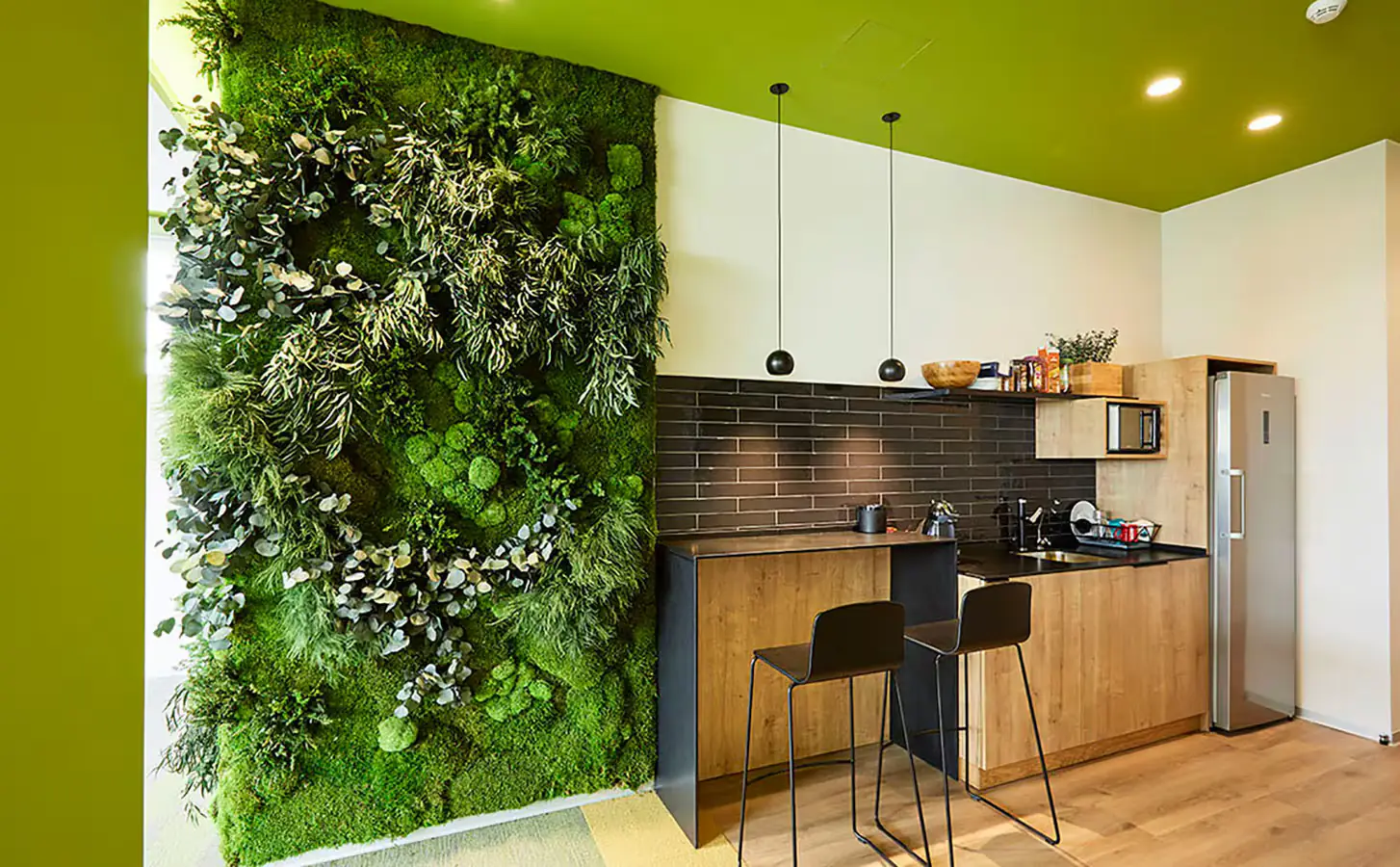
Culinary spaces within modern residential design have undergone a fundamental shift. Furthermore, kitchens are no longer treated as isolated work zones. Instead, they function as dynamic architectural hubs where food production and interior biophilia intersect. Within this architectural evolution, vertical indoor vegetation has transitioned from a superficial styling trend into an advanced horticultural subsystem. Designers, culinary enthusiasts, and home architects recognize that integrating vertical gardens into food preparation zones requires careful planning. Specifically, teams must navigate a complex matrix of ambient grease aerosols, high humidity fluctuations, restricted counter footprints, and food safety considerations.
Evaluating indoor vertical vegetation for culinary environments demands a perspective that goes far beyond immediate visual appeal. Unlike living installations in living rooms, kitchen-based gardens must contend with daily thermal spikes from cooking appliances and constant steam exposure. Furthermore, because these installations often cultivate edible crops such as culinary herbs, pest management protocols must prioritize non-toxic methodologies. Selecting a suitable system involves balancing biological productivity against the operational realities of a busy domestic kitchen.
This authoritative reference manual delivers an exhaustive analysis of vertical vegetation configurations tailored specifically for kitchen environments. The following sections examine structural engineering principles, physiological plant limitations, and economic lifecycles. Through meticulous exploration, this resource establishes a definitive benchmark for informed decision-making in culinary interior horticulture.
Understanding “best living walls for kitchens”
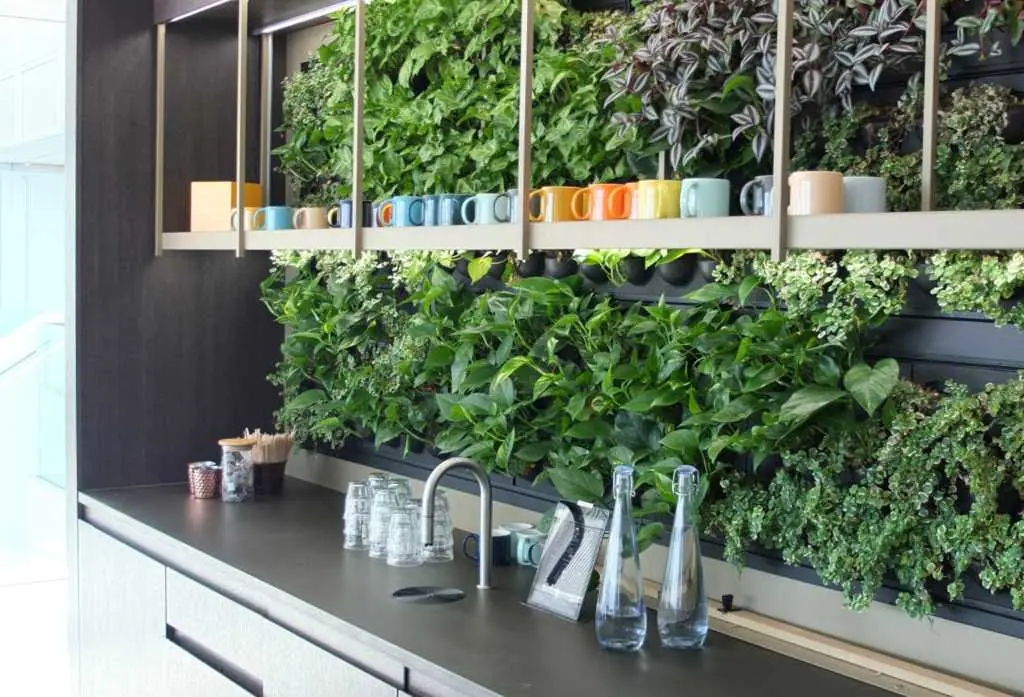
The search for the best living walls for kitchens involves navigating a complex intersection of culinary ergonomics, interior architecture, and indoor horticulture. Designers and homeowners frequently fall into a common trap. Specifically, they assume that standard decorative foliage systems can adapt seamlessly to the demanding environmental stressors of a food preparation zone. In professional practice, kitchen installations require materials that resist chemical degradation from frequent surface sanitization and grease accumulation.
Common misunderstandings often focus on the belief that kitchen vertical gardens can thrive exclusively on ambient natural light. This oversimplification ignores the reality that many kitchens feature restricted window placements and intense microclimatic variations caused by range hoods. Another frequent misstep is underestimating the hygiene management required around organic growing media located near food handling areas.
To evaluate culinary green wall systems accurately, planners must examine physical and sanitary realities in tandem. Active hydroponic setups offer exceptional growth rates for culinary herbs, but they introduce higher mechanical complexity. Conversely, passive modular tray systems reduce installation complexity, but they require diligent manual watering schedules. Systematic comparison clarifies these operational trade-offs, ensuring that any selected installation respects workspace ergonomics and daily cooking routines.
Deep Contextual Background and Evolution
The integration of living vegetation within domestic kitchens traces a clear lineage from traditional windowsill herb pots to modern vertical systems. Early culinary spaces relied on simple terra cotta pots aligned on window sills. While effective for small quantities of basil, these traditional setups offered zero control over root oxygenation and frequently created water damage rings on countertops.
The contemporary paradigm of engineered culinary green walls emerged from advancements in controlled-environment agriculture and biophilic design. Pioneering horticulturalists demonstrated that culinary herbs could thrive on vertical planes by anchoring their roots in synthetic substrates supplied by automated nutrient channels. Translating these systems into domestic kitchens required shifting from gravity feeds to compact recirculating reservoirs and specialized LED lighting.
Simultaneously, the widespread cultural shift toward sustainable living accelerated consumer demand. Households recognized that cultivating fresh culinary herbs adjacent to prep stations enhances cooking efficiency and reduces waste. Today, configurations categorized among the best living walls for kitchens function as sophisticated interior features that regulate local humidity and supply fresh ingredients year-round.
Conceptual Frameworks and Mental Models
Navigating the complexities of kitchen living wall design requires structured mental models. These models organize structural and sanitary variables into a coherent operational framework.
1. The Culinary Ergonomic and Workspace Clearance Model
Kitchen vertical installations must respect the operational workflow of the user. Placing a structural wall directly above primary prep surfaces creates physical interference hazards. Therefore, designers must map functional clearance zones to ensure that maintenance tasks do not impede daily cooking.
2. The Kitchen Microclimatic Turbulence Model
Kitchens experience extreme environmental fluctuations compared to other rooms. Specifically, steam from boiling water and heat spikes from ovens create turbulent microclimates. Mapping these thermal vectors ensures that sensitive foliage is shielded from sudden leaf scorch.
3. The Food-Safe Horticultural Sanitation Matrix
Because kitchen walls cultivate edible vegetation, chemical inputs must adhere strictly to non-toxic standards. Consequently, this sanitation model governs nutrient formulations and pest control interventions, ensuring that no harmful residues migrate into harvested food crops.
Key Categories, Variations, and Structural Trade-Offs
The residential market features several distinct architectural system designs suitable for kitchen environments. Each is defined by specific root containment methods and mounting strategies.
1. Countertop-Mounted Vertical Herb Towers
Self-supporting vertical multi-tier towers sit directly on kitchen counters, featuring central water columns and rotating planting pods.
-
Advantages: Zero permanent wall penetrations; highly accessible for daily harvesting; easy cleaning access.
-
Disadvantages: Consumes counter work surface; restricted height limits plant volume.
2. Backsplash-Integrated Magnetic Pod Systems
Modular metallic backing panels are mounted flush against the kitchen backsplash, holding individual magnetic pots.
-
Advantages: Utilizes vertical backsplash space; sleek aesthetic; highly modular arrangement.
-
Disadvantages: Limited water retention capacity requiring frequent refilling; restricted root depth.
3. Under-Cabinet Hydroponic Rail Systems
Linear track systems are suspended beneath upper cabinetry, utilizing continuous channels to cultivate herbs.
-
Advantages: Perfect integration with under-cabinet lighting; maximizes vertical space; out of the way of splashes.
-
Disadvantages: Specialized narrow profile limits plant selection; requires precise leveling.
4. Wall-Mounted Modular Cassette Frames
Rigid framing systems are mounted to kitchen wall studs, housing individual planting cells with drip irrigation headers.
-
Advantages: High visual impact; excellent root separation; capable of supporting larger perennial culinary shrubs.
-
Disadvantages: Complex installation requiring wall anchoring; potential water risk if lines back up.
5. Felt Pocket Hanging Panels
Marine-grade synthetic felt panels are secured over waterproof backing boards, featuring horizontal planting slits.
-
Advantages: Lightweight profile; flexible arrangement; seamless green coverage.
-
Disadvantages: Fabric degradation over time from humidity; potential residue buildup.
6. Automated Smart Herb Cabinets
Plug-and-play appliance-grade vertical growing cabinets feature integrated climate control and automated LED photoperiods.
-
Advantages: Complete environmental control; independent of natural light; high crop yield consistency.
-
Disadvantages: High purchase price; fixed appliance footprint; consumes floor space.
| System Architecture | Typical Saturated Weight | Installation Complexity | Best Kitchen Application | Primary Maintenance Focus |
| Countertop Towers | 10–20 lbs total | Very Low | Kitchen islands & breakfast bars | Base stability & water top-offs |
| Backsplash Magnetic Pods | 5–12 lbs / sq. ft. | Low to Moderate | Backsplash zones behind prep areas | Daily misting & pod cleaning |
| Under-Cabinet Rails | 8–15 lbs total | Moderate | Direct task lighting zones | Flow rate & channel clearing |
| Wall Modular Cassettes | 15–30 lbs / sq. ft. | High | Dining alcoves & accent kitchen walls | Drip line flushing & pruning |
| Felt Pocket Panels | 8–18 lbs / sq. ft. | Moderate | Pantry walls & breakfast nooks | Moisture barrier & felt hygiene |
| Smart Herb Cabinets | 60–150 lbs total | Low (Plug-and-Play) | Dedicated appliance niches | Water reservoir sanitization |
Decision Logic for System Selection: Homeowners with rental properties should prioritize countertop towers or magnetic backsplash pods. Conversely, homeowners undergoing full renovations can successfully integrate custom wall cassettes when evaluating the best living walls for kitchens.
Detailed Real-World Scenarios and Implementation Constraints
Examining five distinct kitchen scenarios clarifies how these systems perform in practice.
A : Compact Urban Apartment Kitchen
-
Context: A small galley kitchen features minimal counter space and strict rental lease terms prohibiting drilling.
-
Selected System: Countertop-mounted vertical herb tower with integrated LED lighting and an internal pump.
-
Constraints & Failure Modes: Limited counter footprint means the tower must share space with small appliances, increasing vulnerability to spills.
-
Second-Order Effects: Provides a reliable supply of fresh herbs without violating lease agreements.
B : Open-Concept Modern Farmhouse Kitchen
-
Context: A spacious kitchen features a large central island and abundant natural light from sliding glass doors.
-
Selected System: Wall-mounted modular cassette system positioned on an accent wall adjacent to the dining alcove.
-
Constraints & Failure Modes: Proximity to the dining area requires absolute elimination of stagnant water odors.
-
Second-Order Effects: Serves as a visual centerpiece that unifies the kitchen and dining zones.
C : High-Activity Family Kitchen with Heavy Cooking
-
Context: A busy household kitchen characterized by frequent high-heat wok cooking and heavy use of range hoods.
-
Selected System: Backsplash-integrated magnetic pod system with removable stainless steel pods.
-
Constraints & Failure Modes: Grease aerosols coat nearby vertical surfaces, requiring weekly cleaning of pods to prevent sticky residue.
-
Second-Order Effects: Removable pods allow individual plants to be taken to the sink for gentle rinsing.
D : Chef-Grade Gourmet Kitchen Prep Zone
-
Context: A dedicated culinary workspace designed for an avid home cook requiring constant access to microgreens.
-
Selected System: Under-cabinet hydroponic rail system suspended directly beneath upper cabinetry.
-
Constraints & Failure Modes: Water splashing from the nearby sink basin can introduce dishwater into the nutrient reservoir.
-
Second-Order Effects: Maximizes vertical ergonomics, allowing the cook to snip fresh garnishes instantly during food plating.
E : Windowless Basement Kitchenette
-
Context: A subterranean guest suite kitchenette completely devoid of natural daylight.
-
Selected System: Automated smart herb cabinet featuring programmable photoperiod lighting and automated nutrient dosing.
-
Constraints & Failure Modes: Total reliance on electrical power means power outages interrupt growth cycles.
-
Second-Order Effects: Introduces vibrant living color into a dark subterranean space.
Planning, Cost, and Resource Dynamics
Budgeting for a kitchen living wall requires evaluating capital expenditures alongside multi-year operational expenditures. Treating the installation as an investment in household nutrition ensures realistic financial forecasting.
Direct capital costs cover structural hardware, backing panels, waterproof membranes, automated irrigation, lighting, and installation labor. Indirect costs encompass ongoing maintenance, water usage, electricity, organic nutrient solutions, and crop replacements.
Financial allocations span distinct investment tiers. Entry-level countertop towers range from $75 to $250. Mid-range units require $300 to $800. Premium systems range from $1,000 to over $3,500. Ongoing operational maintenance costs typically total $10 to $40 per month.
Opportunity costs also influence kitchen planning. Specifically, dedicating prime vertical backsplash space to vegetation eliminates options for spice racks. Furthermore, unexpected water leakage near cabinetry can lead to expensive water damage.
| Investment Tier | Initial Capital Cost (CapEx) | Monthly Operating Cost (OpEx) | Expected System Lifespan | Primary Maintenance Requirement |
| Entry-Level (Towers/Pods) | $75 – $250 | $5 – $15 | 2 – 4 years | Manual top-offs & pod wiping |
| Mid-Range (Rails/Pockets) | $300 – $800 | $10 – $25 | 4 – 7 years | Line flushing & crop rotation |
| Premium (Cassettes/Cabinets) | $1,000 – $3,500+ | $20 – $50 | 8 – 12+ years | Pump servicing & deep sanitization |
Tools, Horticultural Technologies, and Support Systems
Operating a reliable kitchen vertical garden requires an ecosystem of specialized hardware and diagnostic instruments.
-
Programmable Smart Timers: Wi-Fi-enabled digital timers capable of executing precise irrigation cycles.
-
Food-Safe Nutrient Dosing Pipettes: Precision instruments used to add organic fertilizers into water reservoirs.
-
Submersible Low-Voltage Pumps: Whisper-quiet water pumps engineered for continuous indoor operation.
-
Full-Spectrum LED Horticultural Light Bars: Low-profile lighting fixtures designed to supply balanced photosynthetic wavelengths.
-
Acoustic Water Leak Sensors: Battery-operated moisture detectors placed beneath counters to alert homeowners to overflow.
-
Organic Pest Management Sprays: Food-safe horticultural soaps formulated specifically for edible crops.
-
Precision Herb Harvesting Shears: Fine-tipped stainless steel scissors designed for clean stem pruning.
-
Waterproof Backing Panels: Heavy-duty polymer sheets installed behind wall units to guarantee moisture protection.
Risk Landscape, Failure Modes, and Compounding Hazards
Vertical installations within residential kitchens concentrate biological and mechanical risks into a high-activity environment. Understanding failure taxonomies prevents minor issues from escalating.
1. Water Intrusion and Cabinetry Swelling
The most frequent structural risk is water leakage breaching kitchen cabinetry, causing wood delamination and hidden mold proliferation.
2. Grease Aerosol Accumulation and Foliage Suffocation
Because kitchens generate fine oil droplets during cooking, foliage can become coated in a microscopic grease film. This film clogs plant stomata, restricting gas exchange if regular cleaning protocols are omitted.
3. Pesticide Contamination of Edible Crops
Applying non-food-safe systemic insecticides to indoor culinary gardens creates severe health hazards. Consequently, ingestion of chemical residues leads to toxicological risks.
4. Closed-Loop Nutrient Salt Buildup
In recirculating hydroponic systems, mineral residues accumulate steadily. If electrical conductivity levels rise without periodic flushing, plant root tissues experience salt burn.
Governance, Maintenance, and Long-Term Adaptation
Maintaining a kitchen living wall requires a disciplined governance protocol structured around routine hygiene checks and pruning cycles.
-
Daily Protocols: Visual check of reservoir water levels, inspection of plant turgor pressure, and wiping away any accidental food splashes.
-
Weekly Protocols: Harvesting mature culinary herb stems to encourage lateral branching, and rinsing oil from leaves.
-
Monthly Protocols: Testing nutrient solution pH, flushing closed-loop reservoirs, and washing removable pods.
-
Quarterly Protocols: Deep cleaning of water lines, sanitizing reservoir basins, and refreshing planting media.
-
Annual Protocols: Structural audit of wall mounting hardware and complete seasonal reset of herb stock.
Measurement, Tracking, and Evaluation
Evaluating performance requires monitoring leading and lagging indicators across biological and financial dimensions.
Quantitative Metrics
-
Harvest Yield Rate: Grams of usable culinary herbs harvested weekly per square foot of vertical canopy.
-
Water Consumption Efficiency: Gallons of water utilized weekly, tracked against baseline evaporation curves.
-
Energy Consumption Tracking: Kilowatt-hours consumed monthly by lighting and pumps.
-
Crop Survival Rate: Percentage of plant stock replaced due to depletion or disease.
Qualitative Indicators
-
Culinary Vigor and Aroma: Intense essential oil concentration and vibrant flavor profiles in harvested herbs.
-
Aesthetic and Spatial Integration: Seamless visual harmony with kitchen cabinetry and interior architectural styling.
-
Household Satisfaction: Positive subjective feedback regarding the convenience and freshness of home-grown ingredients.
Common Misconceptions and Oversimplifications
-
Myth 1: Kitchen living walls are entirely self-sustaining once planted. Correction: Indoor vertical gardens are intensive horticultural systems requiring permanent artificial inputs.
-
Myth 2: Any standard outdoor garden herb will thrive on an indoor wall. Correction: Indoor vertical constraints require compact cultivars with specific light and root tolerances.
-
Myth 3: Cooking steam eliminates the need for watering. Correction: Localized heat from cooking appliances creates intense drying currents that require irrigation.
-
Myth 4: Standard chemical houseplant fertilizers are safe for kitchen herb walls. Correction: Edible crops require food-grade, organic nutrient formulations.
-
Myth 5: Kitchen grease has no impact on vertical plant health. Correction: Airborne cooking oils coat leaves, blocking stomata and requiring regular washing.
-
Myth 6: Wall-mounted systems require no structural backing protection. Correction: Constant exposure to kitchen moisture makes waterproof backing barriers mandatory.
Ethical, Practical, and Contextual Considerations
Integrating productive vertical agriculture within domestic kitchens carries broader practical responsibilities. Modern households increasingly prioritize sustainable food practices and waste reduction. Cultivating culinary herbs on an indoor vertical wall reduces single-use plastic packaging waste while reconnecting occupants to the origin of their food. Furthermore, ensuring that all materials used in the installation are non-toxic protects the health of the household.
Conclusion and Strategic Judgment
Selecting configurations among the best living walls for kitchens demands an uncompromising commitment to engineering realism and operational hygiene. Whether comparing countertop towers or custom modular systems, success is defined by how well the chosen system harmonizes with food safety standards. By treating indoor culinary vertical vegetation as engineered living infrastructure, homeowners create enduring biophilic features that elevate the home.